- Hyaluronic acid helps pull moisture into the skin
- It tends to work better when combined with other supporting ingredients
- Texture and weather can change how it feels
- It mainly hydrates the surface, not deeper layers
- How you use it matters more than most people expect
Hyaluronic acid is one of those ingredients that sounds simple in theory. It’s supposed to hydrate, and it does, at least in the beginning.
But the experience isn’t always consistent. Some days your skin feels fine after using it, and other days it doesn’t seem to do much. That’s usually where the confusion starts.
That initial softness can fade quicker than expected
Right after applying it, your skin usually feels softer. That part is easy to notice.
What’s less obvious is how long that feeling actually stays. It doesn’t always last through the day, especially if the surrounding conditions aren’t ideal.
It’s not that it stops working. It just doesn’t hold up on its own.
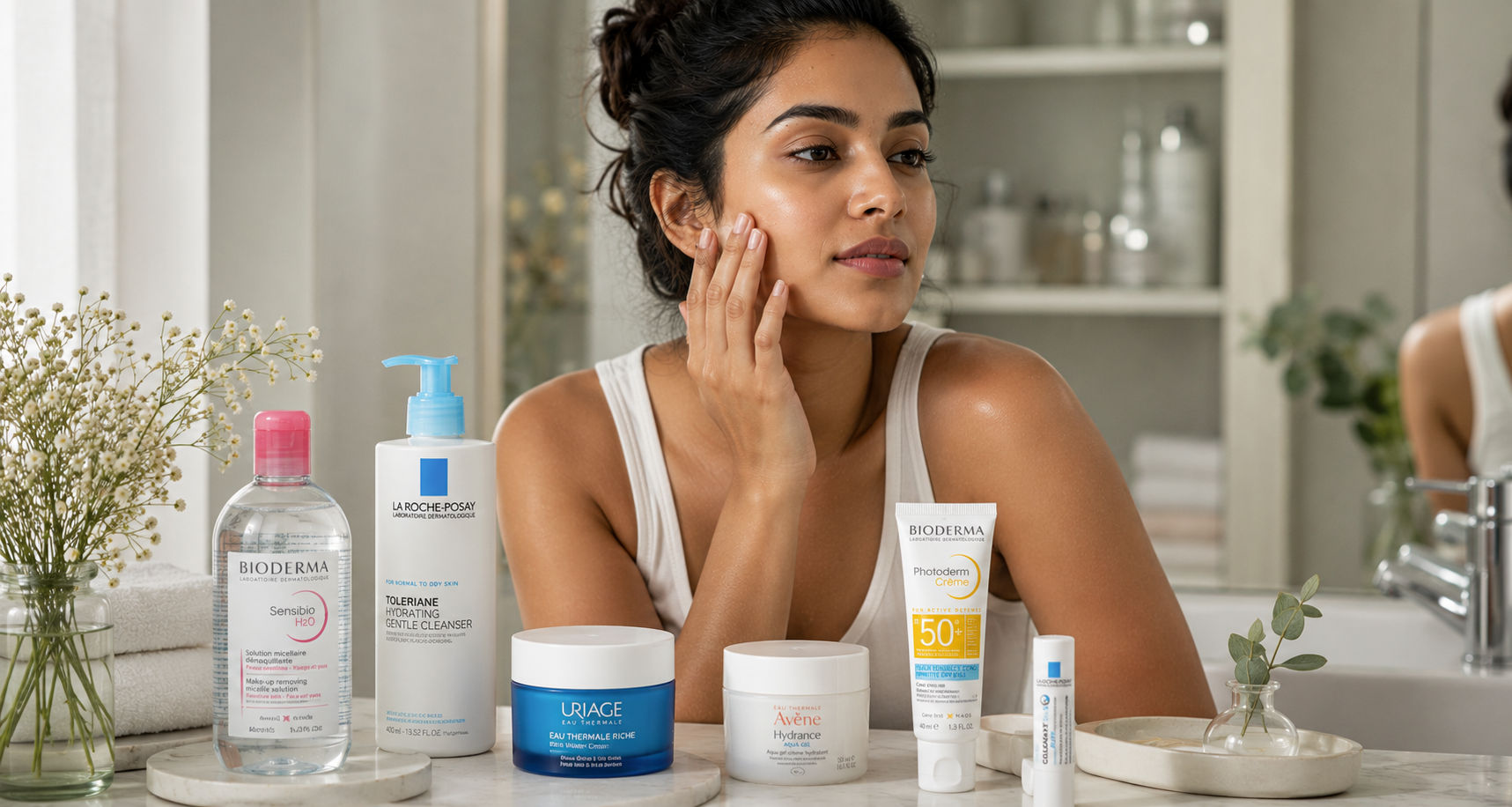
Product Recommendation:
Most of the effect stays on the surface
Hyaluronic acid mostly works on the outer layer of the skin. That’s where the visible difference comes from.
It smooths things out a bit and makes your skin feel more comfortable. But it doesn’t really go deeper in a way that changes long-term hydration by itself.
So while it helps, it’s not doing everything.
When it starts to feel underwhelming
This is where it usually feels confusing. You’re using something hydrating, but your skin still doesn’t feel fully hydrated.
A few things tend to affect that.
Dry air is one of them. If there isn’t much moisture around, the ingredient doesn’t have much to pull in.
Sometimes it’s also about what’s missing. Without something to hold hydration in place, the effect doesn’t last very long.
Even the way it’s applied can change things more than expected.
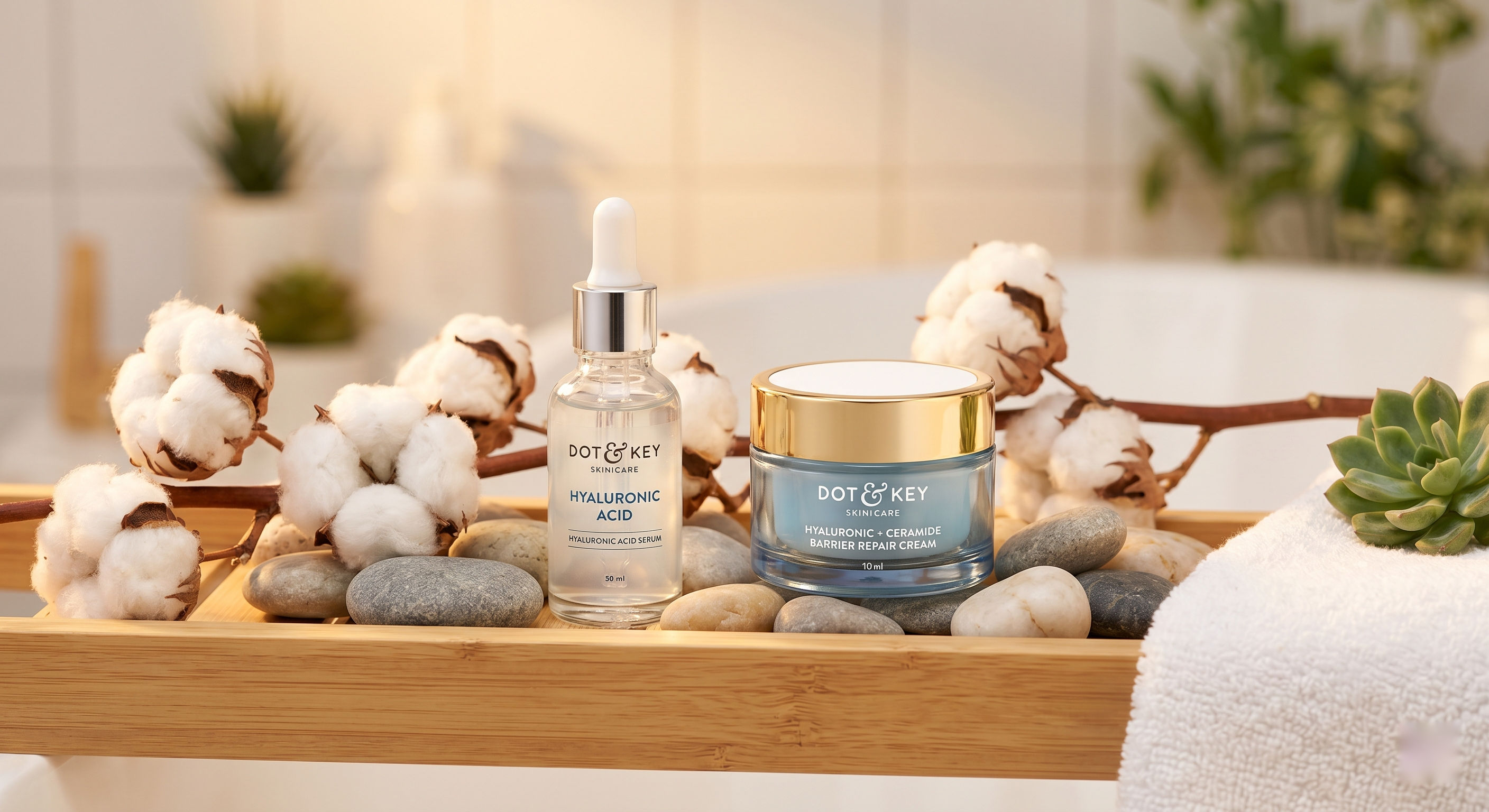
What helps it hold up better through the day
| Ingredient | % Range | Function | Timeline |
|---|---|---|---|
| Hyaluronic Acid | 0.1–1% | Pulls moisture toward the skin | Immediate |
| Glycerin | 5–10% | Helps maintain hydration | Immediate |
| Ceramides | 0.5–2% | Support the skin barrier | 2–6 weeks |
| Panthenol | 1–5% | Adds a soothing effect | 1–2 weeks |
| Niacinamide | 2–5% | Helps balance the skin | 2–4 weeks |
It tends to feel more reliable when something in the routine helps keep that moisture from escaping too quickly.
The texture sometimes matters more than the ingredient
Two products can have the same ingredient and still feel completely different.
Light gels feel fresh, but they don’t always last if your skin leans dry.
Gel-creams usually feel easier to wear daily. Not too heavy, not too light.
Creams sit differently. They feel a bit more protective, which helps when your skin loses moisture quickly.
Sometimes the switch that helps isn’t the ingredient, just the format.
Weather can quietly change the whole experience
In humid weather, hyaluronic acid usually feels like it’s working better. There’s more moisture in the air, so the effect holds up.
In dry conditions, it can feel like it disappears faster.
| Condition | What Usually Works Better |
|---|---|
| Humid weather | Gel or gel-cream |
| Dry heat | Cream with barrier support |
| Winter | Rich cream |
| Air-conditioned environments | Gel-cream with ceramides |
So even if you don’t change products, the results can still feel different.
Product Recommendation:
A few small adjustments can change how it performs
Nothing major, just small things.
- Applying it on slightly damp skin helps
- Following it with a moisturizer usually makes a difference
- Keeping your routine simple tends to work better
- Switching too often makes it harder to tell what’s working
These aren’t drastic changes, but they add up.
What you’ll realistically notice over time
It’s not a dramatic ingredient.
Your skin might feel a bit softer, maybe a little more comfortable through the day. The changes are subtle.
It works better as part of a routine than as a single solution.
How it usually shows up when it’s working
The signs are small but consistent.
- Your skin doesn’t feel as tight
- It feels more comfortable through the day
- It looks slightly more hydrated
Nothing too obvious, but noticeable over time.
Frequently Asked Questions about Hyaluronic Acid Moisturizers
-
Does hyaluronic acid hydrate deeply?
It mainly hydrates the surface layers of the skin, improving how your skin looks and feels rather than deeply changing inner hydration.
-
Why does my skin feel dry after using it?
This can happen if it’s used on dry skin or without a moisturizer to help retain hydration.
-
Can oily skin use hyaluronic acid moisturizers?
Yes, lightweight gel or gel-cream formulas work well for oily and combination skin.
-
Do I need to use a moisturizer after hyaluronic acid?
Yes, it helps seal in the hydration and improves how long it lasts.
-
How long does it take to see results?
You may notice immediate softness, while overall skin balance improves with consistent use.