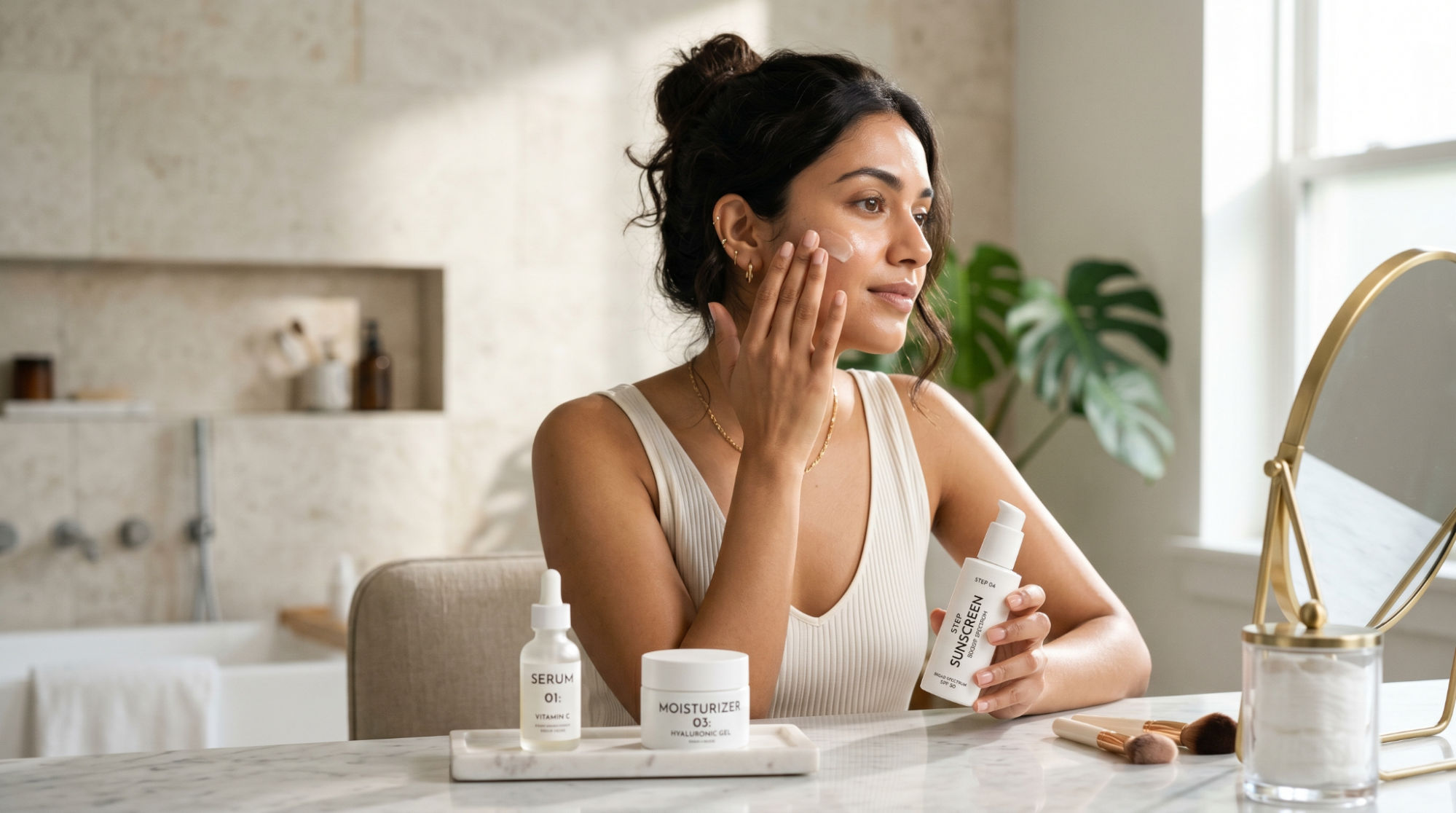
- Your moisturizer may not match what your skin needs right now
- Texture can make more difference than expected
- Barrier issues can affect how products perform
- Too many actives can reduce hydration
- Small changes often work better than replacing everything
A moisturizer not working is usually something you notice slowly. It feels fine when you apply it, but a few hours later your skin doesn't feel the same.
It can feel confusing because you're still using the same product. But the way your skin responds can change, even if your routine hasn't.
It's not always about the product being wrong
Most of the time, the issue is not that the moisturizer is bad.
Skin changes more often than we expect. Weather, routine shifts, even small changes in products can affect how it behaves.
So something that worked well before can start feeling like it's not doing enough anymore.
When hydration doesn't stay for long
Your skin may feel fine right after applying your moisturizer, but after a while it starts feeling dry again. Sometimes it also looks a bit dull, even though you're using it regularly.
This usually means your skin is not holding onto moisture properly, not just that it needs more of it.
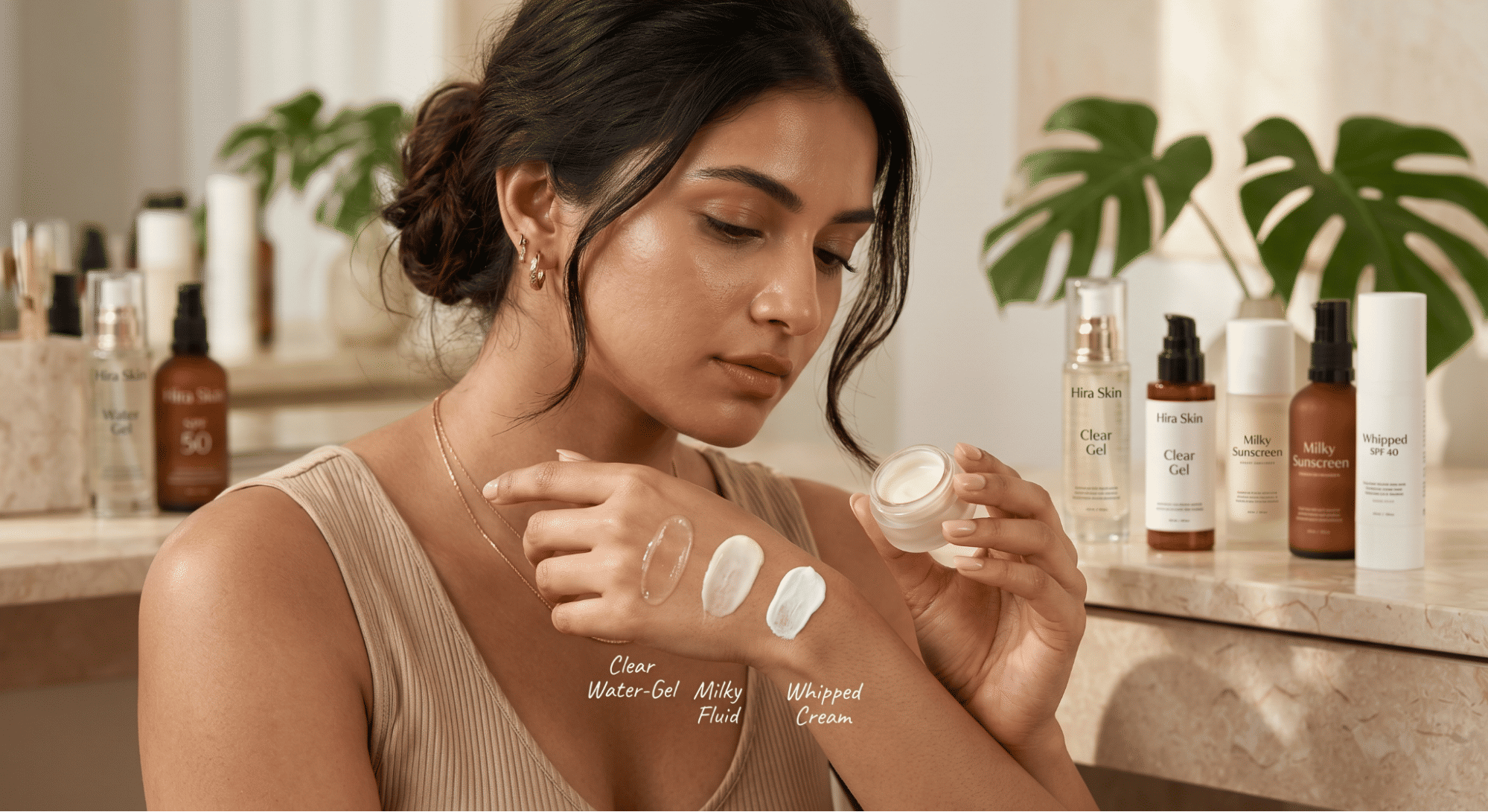
The texture might be the actual issue
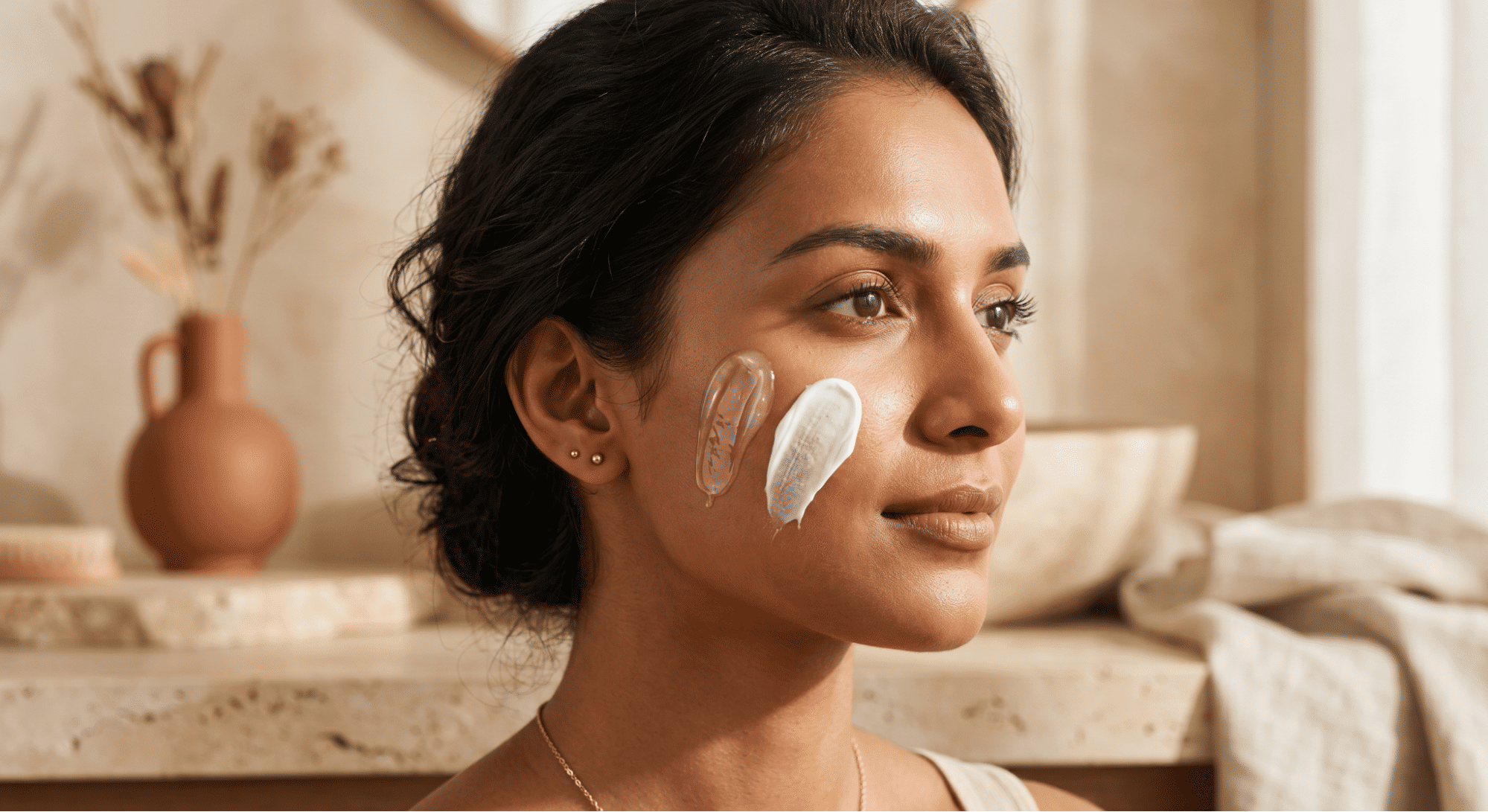
A light gel can feel good at first, especially if your skin gets oily. But if your skin needs more support, that hydration may not stay.
A heavier cream can feel uncomfortable in the opposite way. It may sit on the skin without really helping, especially if your skin doesn't need that level of richness.
Sometimes the difference comes down to this one change.
When your skin barrier isn't at its best
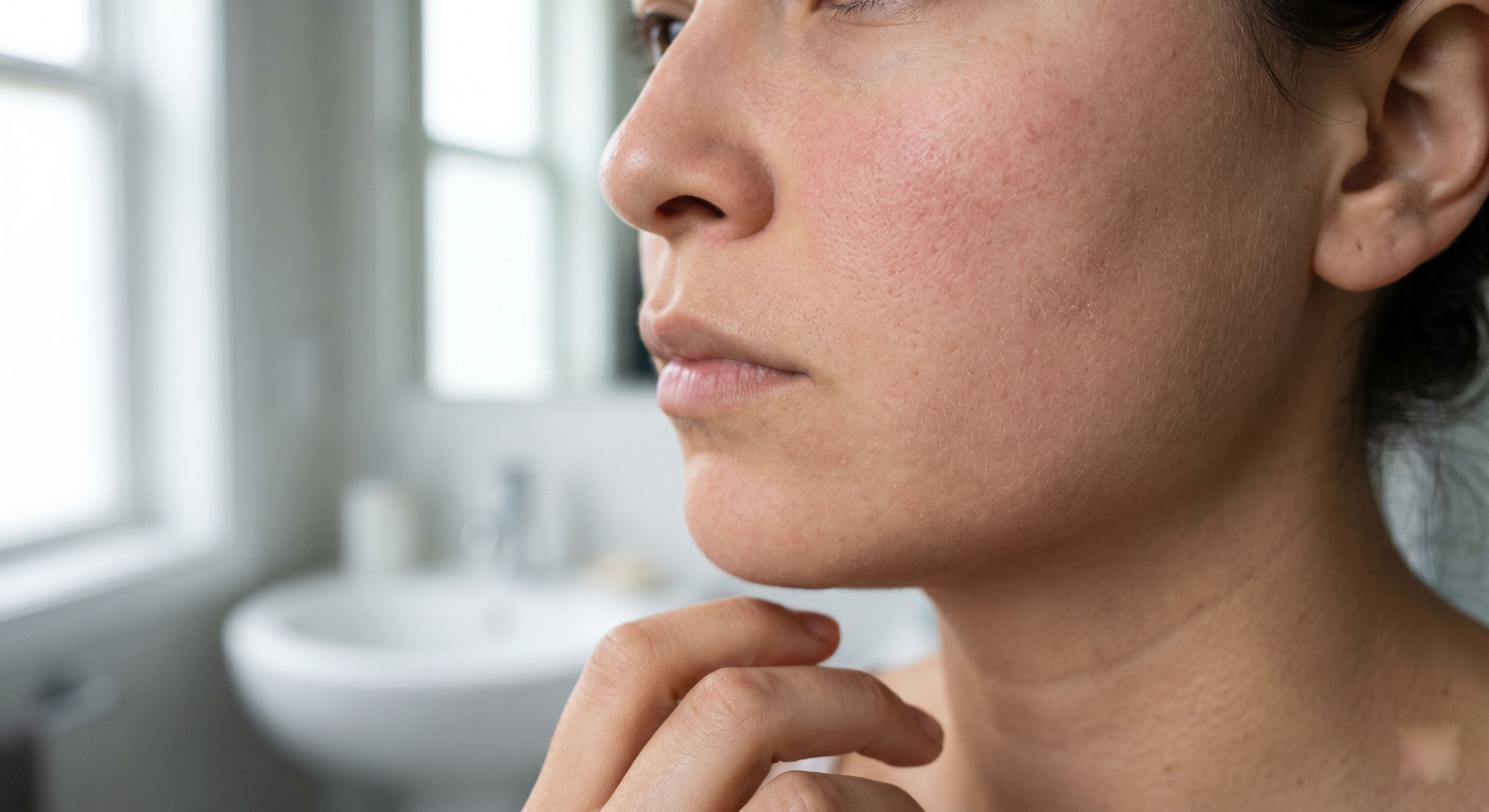
If your skin has been feeling slightly off lately, the barrier may not be in a great place.
That affects how everything works, including your moisturizer.
You might notice:
- Slight stinging with products
- Skin reacting more easily
- Moisturizer not lasting
In this case, the focus usually needs to shift towards repair instead of just hydration.
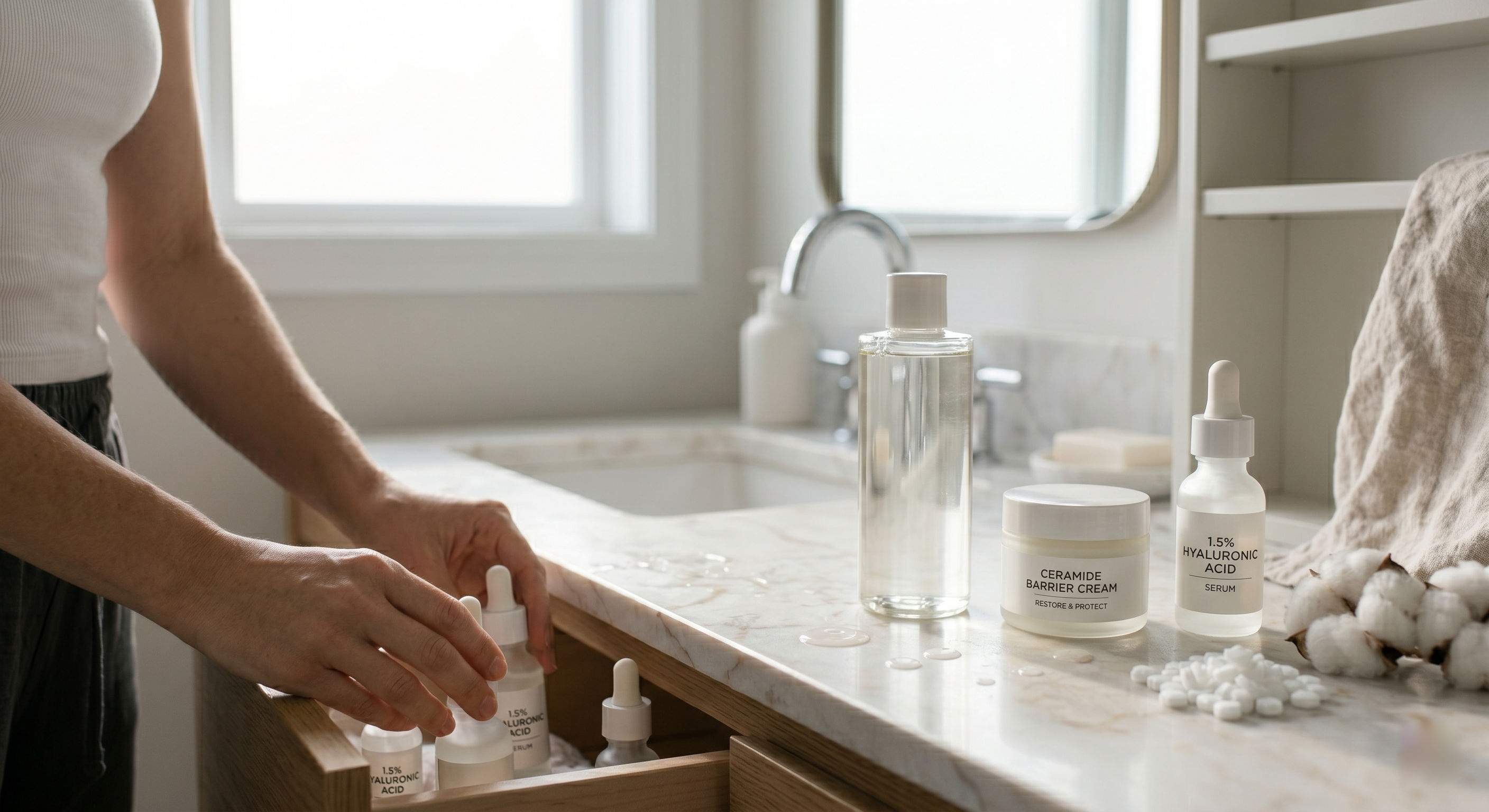
What actually helps over time
| Ingredient | % Range | Function | Timeline |
|---|---|---|---|
| Glycerin | 5–10% | Helps draw moisture into the skin | Immediate |
| Hyaluronic Acid | 0.1–1% | Supports hydration levels | Immediate |
| Ceramides | 0.5–2% | Strengthen the barrier | 2–6 weeks |
| Niacinamide | 2–5% | Helps balance the skin | 2–4 weeks |
| Panthenol | 1–5% | Helps calm irritation | 1–2 weeks |
It's usually the combination that makes a difference, not just one ingredient.
What you're using before it can change everything
Sometimes the moisturizer is not the main issue.
If your routine includes strong actives or too many layers, your skin may not be able to retain moisture properly.
Over-cleansing can also leave your skin slightly compromised.
In these situations, simplifying the routine often works better than adding more steps.
The weather shift you didn't notice
A moisturizer that worked well before can suddenly feel different when the weather changes.
| Condition | What Usually Works Better |
|---|---|
| Humid weather | Gel or gel-cream |
| Dry heat | Light cream |
| Winter | Rich cream |
| Air-conditioned environments | Gel-cream |
Sometimes it's not your skin that changed, just the conditions around it.
A few small changes usually fix it
You don't always need to replace your product.
- Try adjusting the texture
- Reduce how much you're layering
- Give your skin time to settle
- Avoid switching products too often
These small adjustments often make things feel more stable again.
When it starts working, it feels more consistent
You don't usually notice a sudden improvement.
It's more gradual. Your skin just starts feeling comfortable for longer. It doesn't feel dry after a few hours, and it doesn't feel overloaded either.
- Less tightness
- More balanced feel
- Fewer unexpected reactions
That's usually how you know things are back on track.
FAQs about Why Your Moisturizer Is Not Working
-
Why does my moisturizer stop working suddenly?
Changes in weather, routine, or skin condition can affect how your moisturizer performs.
-
Can a moisturizer cause dryness?
Yes, if it doesn't provide enough hydration or barrier support for your skin.
-
Should I change my moisturizer often?
Not usually. It's better to adjust based on how your skin feels rather than switching frequently.
-
Why does my skin feel oily but dry at the same time?
This usually indicates dehydration, where your skin lacks water but still produces oil.
-
How long should I wait to see results?
Give your skin some time to adjust, as visible improvement usually takes a few weeks.