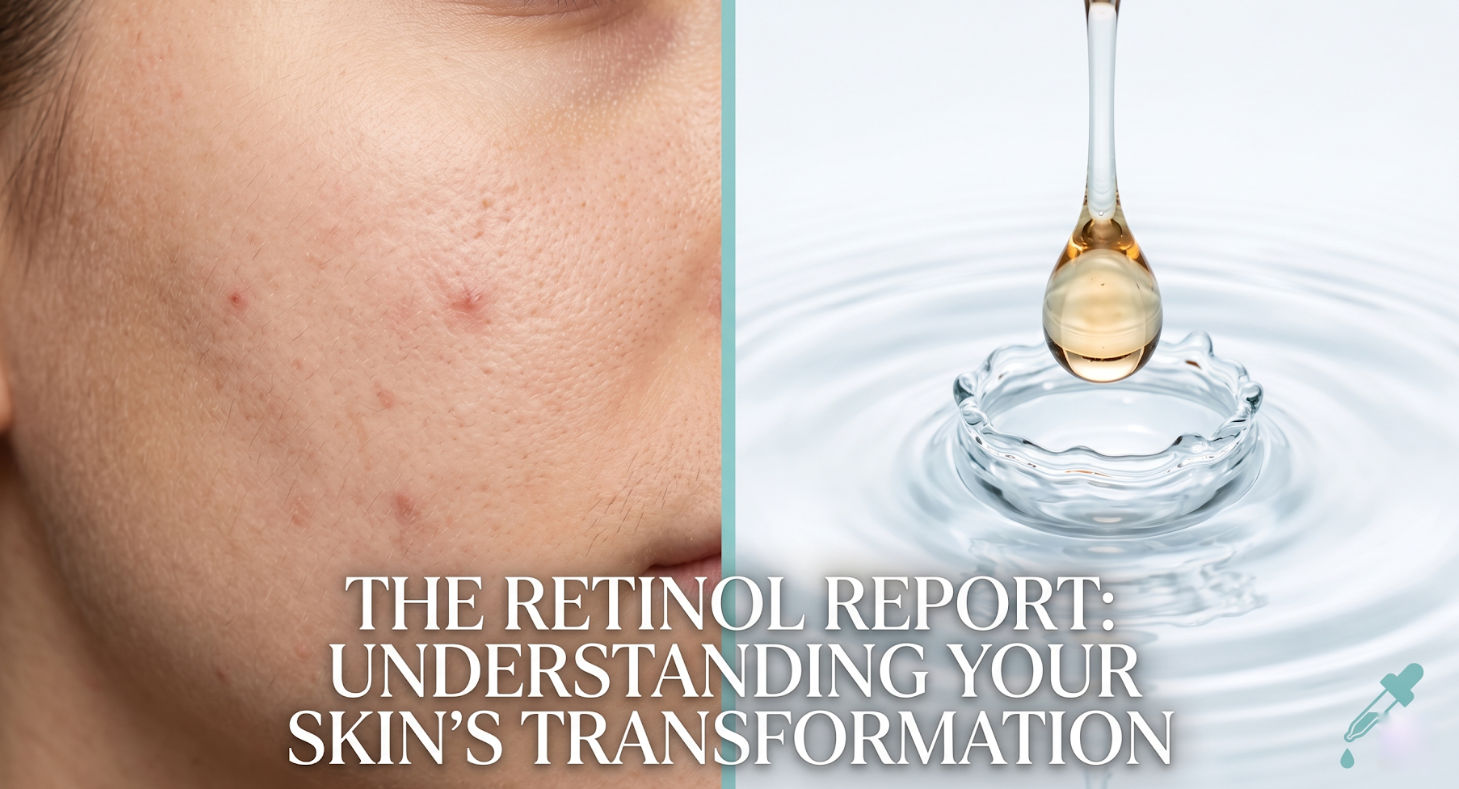
- Retinol is a form of vitamin A used to support skin renewal
- It helps improve the look of fine lines and uneven texture over time
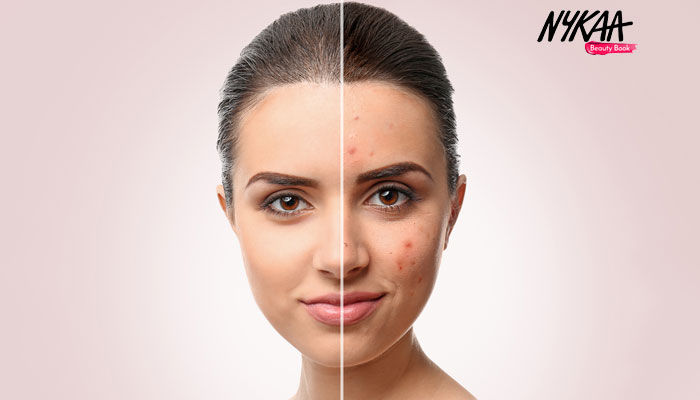
- Often used in both acne and anti-ageing routines
- Results build gradually with consistent use
- Needs to be introduced slowly to avoid irritation
Retinol is one of those ingredients that comes up a lot once you start looking into skincare seriously. It’s known for both anti-ageing and acne, which can make it feel a bit confusing at first.
Some people see visible changes after a few weeks, while others feel unsure in the beginning, especially if their skin reacts. Most of that usually comes down to how it’s used rather than the ingredient itself.
It doesn’t do much overnight, and that’s expected
Retinol is not the kind of product where you notice a difference the next morning.
In the early days, your skin might feel the same or slightly drier than usual. That part can throw people off.
With time, though, things start shifting slowly. Skin begins to feel a bit smoother. Texture improves in a way that’s not dramatic, but noticeable if you’re paying attention.
It’s more of a gradual change than a quick result.
What’s happening in the background while you’re using it
Retinol works by speeding up how your skin renews itself.
Old skin cells shed a bit faster, and newer ones come through more regularly. That’s what eventually helps with both breakouts and uneven texture.
For acne, this means pores stay clearer over time. For fine lines, it helps the skin look slightly smoother.
It’s doing a few things at once, which is why it shows up in different routines.
Why it’s used for both breakouts and early signs of ageing
At first, it might feel like two completely different concerns.
But the link is how your skin behaves underneath. When cell turnover improves, pores don’t clog as easily, and the surface of the skin looks more even.
That’s why it works across both concerns, even though the results look different in each case.
The first few weeks can feel slightly unpredictable
This is usually the part people struggle with.
Your skin might feel a bit dry or slightly sensitive in certain areas. In some cases, there may be light flaking.
It doesn’t happen to everyone, but it’s common enough.
Going in slowly usually makes a difference here. Trying to use it too often too quickly tends to make things harder rather than faster.
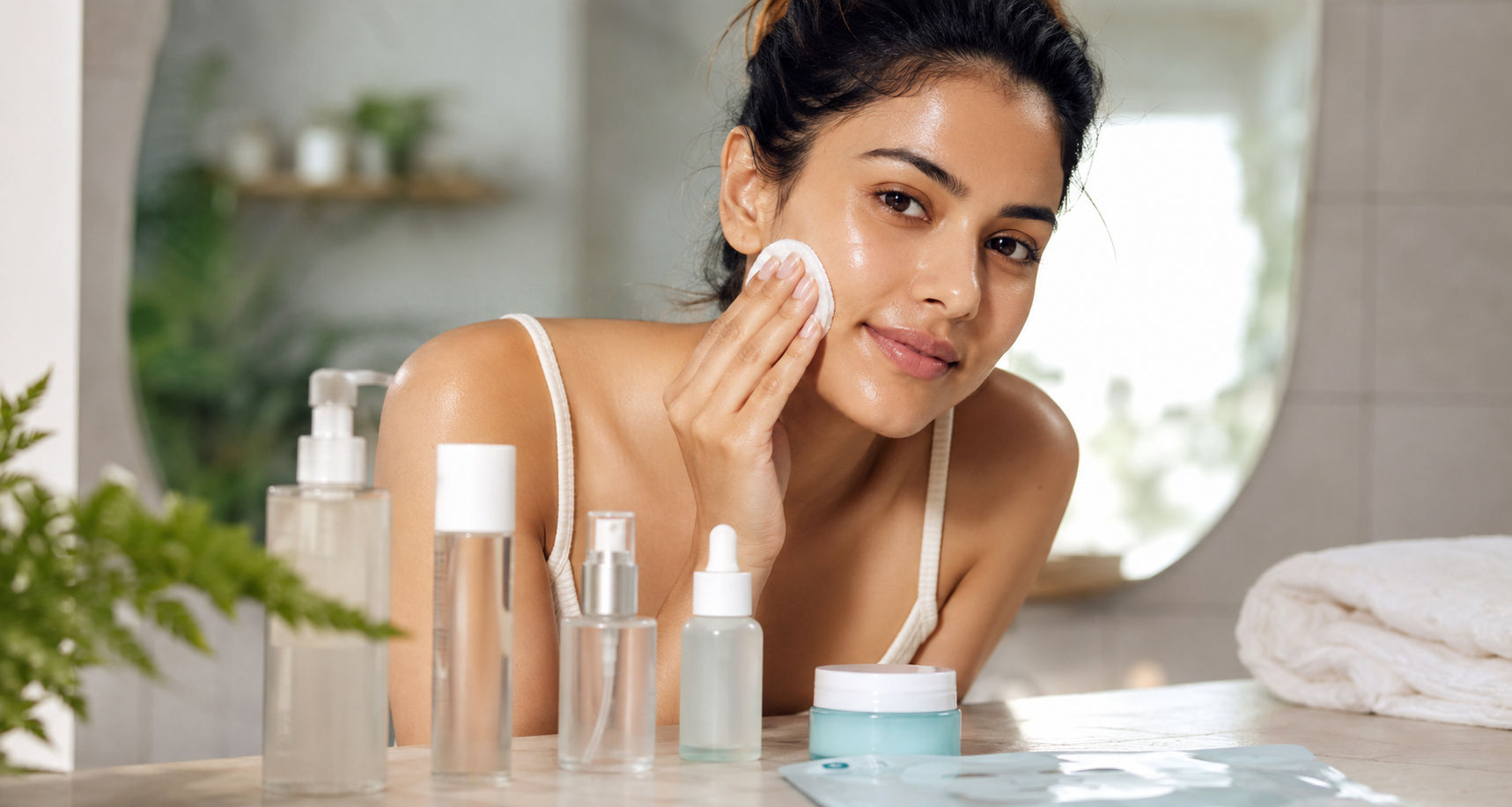
What helps keep your skin comfortable while using it
| Ingredient | % Range | Function | Timeline |
|---|---|---|---|
| Retinol | 0.1–1% | Supports skin renewal | 4–12 weeks |
| Hyaluronic Acid | 0.1–1% | Maintains hydration | Immediate |
| Glycerin | 5–10% | Helps reduce dryness | Immediate |
| Ceramides | 0.5–2% | Support barrier strength | 2–6 weeks |
| Niacinamide | 2–5% | Helps with overall balance | 2–4 weeks |
Retinol tends to feel better when the rest of your routine is focused on hydration and barrier support.
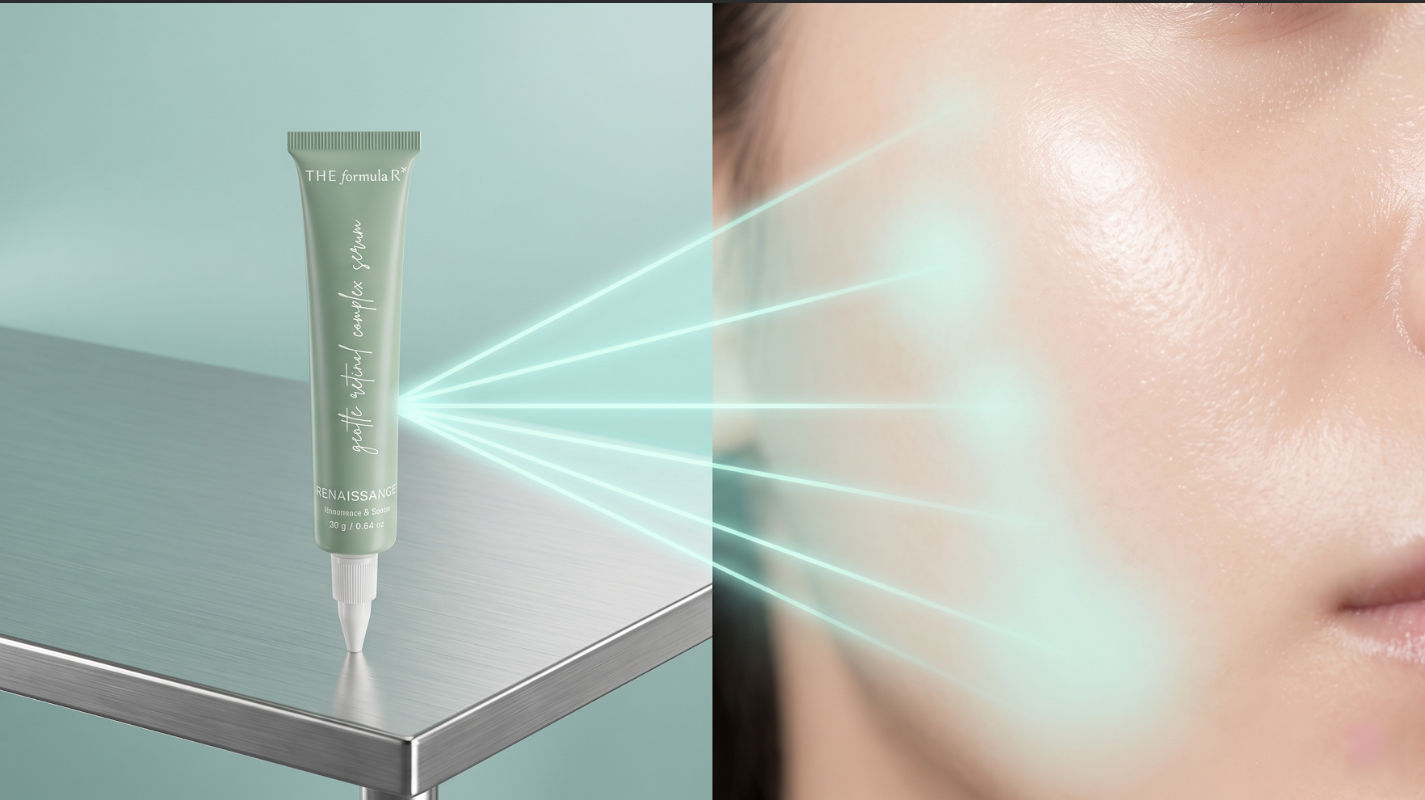
The texture you pick can change how it feels completely
Two retinol products can feel very different even if the ingredient is the same.
Lightweight serums absorb quickly and are usually easier when you’re starting out. Cream-based versions feel more cushioning, which can help if your skin leans dry.
If your skin starts feeling uncomfortable, it’s often not just the ingredient. The base it comes in matters just as much.
Where it fits without overcomplicating your routine
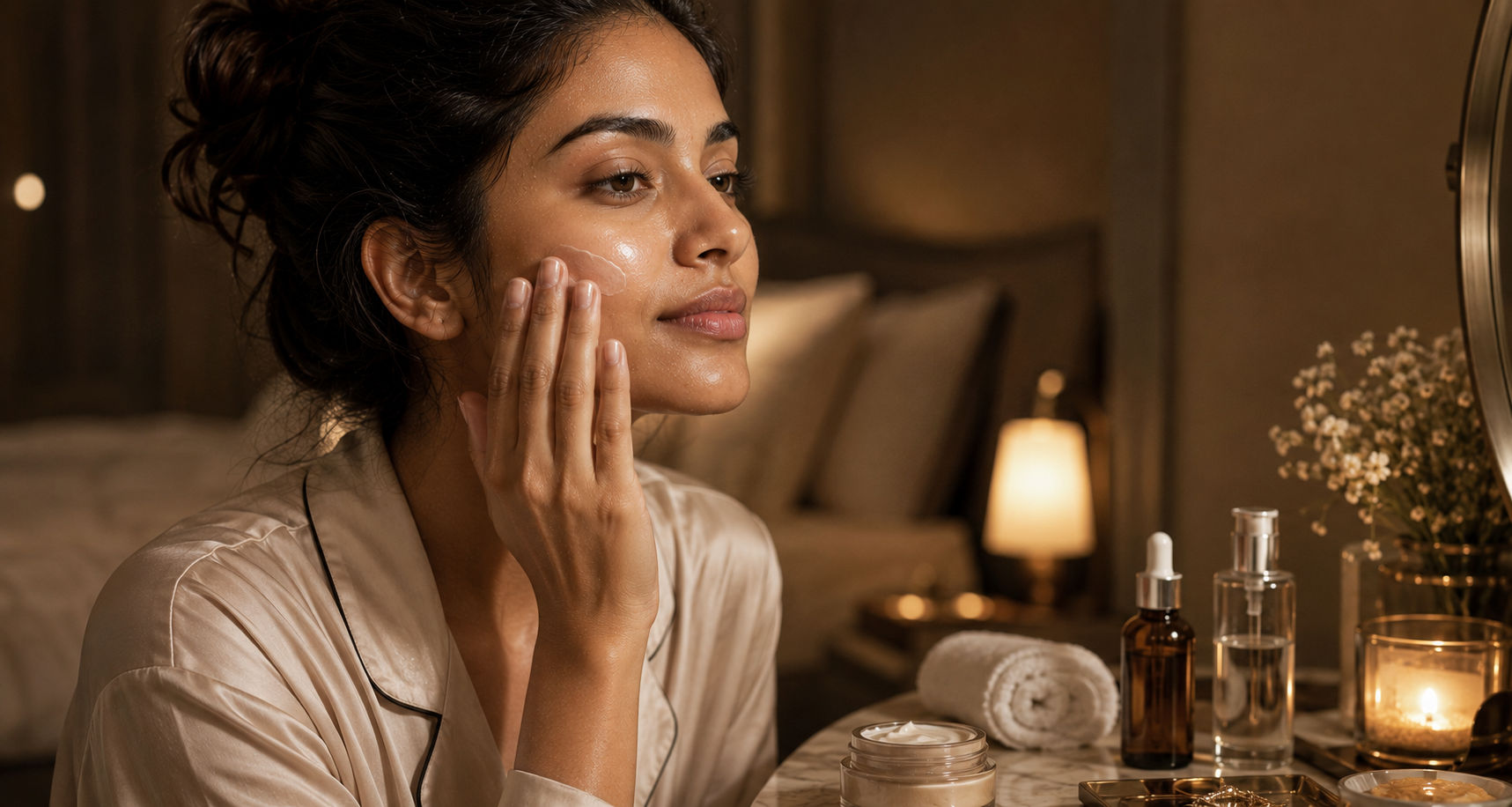
Retinol usually sits in the evening routine.
After cleansing, on dry skin, followed by a moisturizer. That’s enough for most people.
Adding too many layers around it doesn’t necessarily improve results. In fact, it can sometimes make your skin feel more reactive.
Keeping things simple tends to work better here.
Using it less often at first usually works better
It’s easy to think using it daily will speed things up.
In practice, that rarely works out well.
Starting with a few nights a week gives your skin time to adjust. If things feel comfortable, you can increase gradually.
It’s more about consistency than frequency.
What you might start noticing after a few weeks
The changes don’t show up all at once.
Skin may start feeling smoother first. After that, tone may look slightly more even.
If you’re using it for acne, breakouts may reduce gradually. If it’s for fine lines, they may look softer rather than disappearing.
It’s subtle, but it builds over time.
When it settles in, your skin just feels more even
There isn’t usually a dramatic moment.
Things just start feeling more balanced.
- Texture feels smoother
- Breakouts may become less frequent
- Skin looks more even overall
It’s the kind of change you notice gradually rather than all at once.
Frequently Asked Questions about What Is Retinol Serum and How Does It Work for Wrinkles and Acne
-
What is retinol serum used for?
It is used to improve skin texture, reduce the appearance of fine lines, and help manage acne.
-
Can retinol help with acne?
Yes, it helps keep pores clearer over time and reduces breakouts.
-
How often should I use retinol serum?
Start a few times a week and increase gradually based on your skin’s comfort.
-
Can retinol cause irritation?
Yes, especially in the beginning. Using it slowly and pairing it with hydrating ingredients helps.
-
When will I see results from retinol?
Visible changes usually appear after several weeks of consistent use.