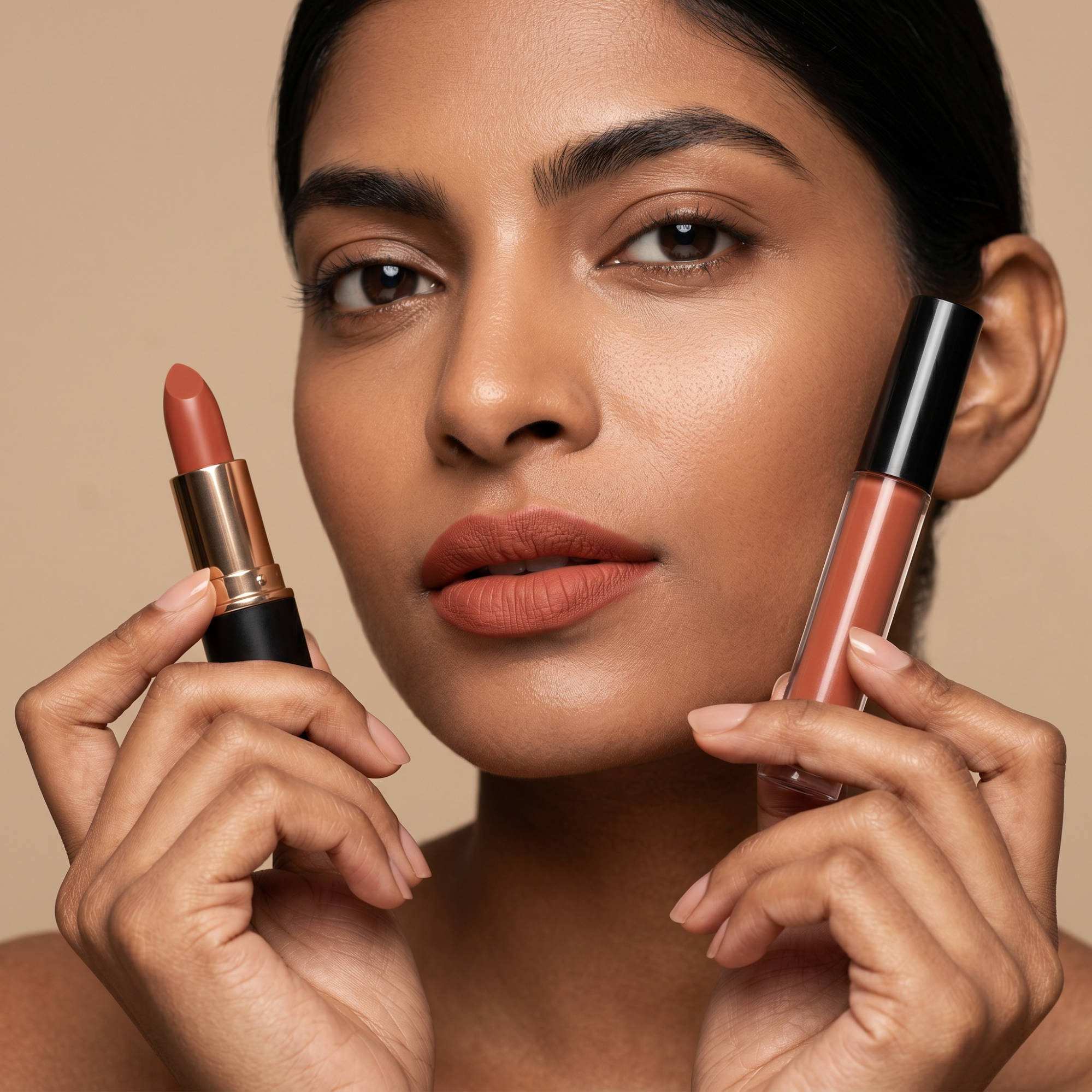
Most patchy lipstick happens because of buildup, especially around the center of the lips where fading shows first. That’s why soft touch-ups, a little hydration and thinner matte formulas usually help lipstick look smoother and feel more comfortable through the day.
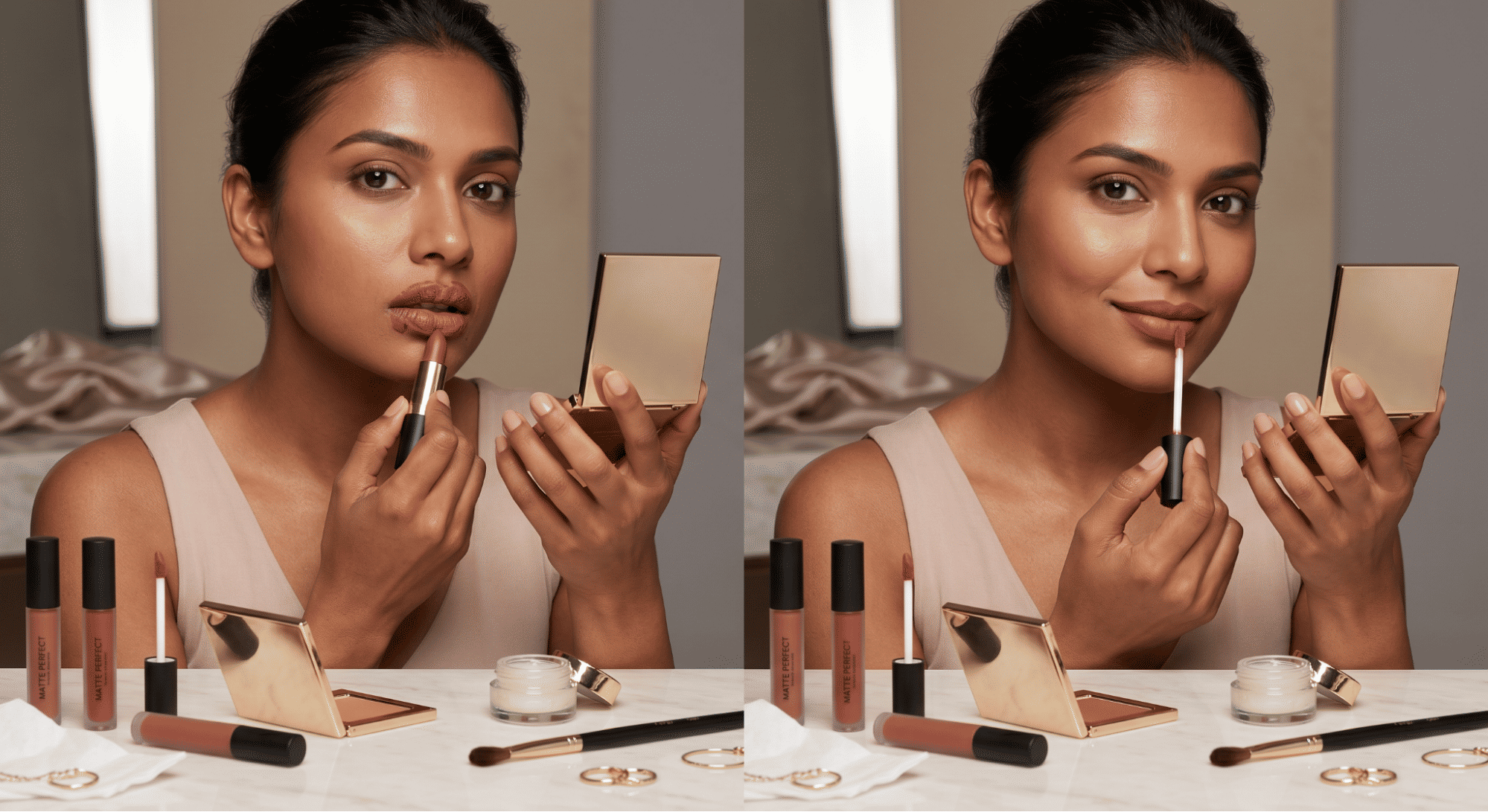
Matte lipstick usually looks its best right after application.
A few hours later, things start changing. The center fades first, dry areas become more visible, and the lipstick begins collecting unevenly around certain parts of the lips. That’s normally the moment people add another thick layer on top and that’s also when the texture starts looking heavy.
Most patchy matte lipstick problems actually come from buildup, not the lipstick itself.
The good news is that small touch-ups usually work much better than fully reapplying everything.
In This Story:
- Why Matte Lipstick Feels Patchy
- Why Removing Extra Product Helps
- Why Light Hydration Matters
- Why Thin Touch-Ups Look Better
- Why The Center Fades First
- Which Matte Formulas Reapply Better
- Products That Help Lipstick Wear Better
- How Weather Changes Matte Lipstick
- Why Too Much Lipstick Looks Patchy
- What Makes Matte Lipstick Feel Better
- FAQs
Matte lipstick doesn’t always layer well over itself
This is the main reason touch-ups go wrong.
Once matte lipstick fully sets, adding fresh product directly over:
- cracked areas
- dry patches
- uneven texture
usually creates:
- thicker buildup
- darker spots
- visible cracking
- uneven fading
That’s why reapplying matte lipstick needs a slightly lighter approach than regular creamy lipstick.
Removing excess texture first makes a big difference
You usually don’t need to remove all the lipstick.
But softening uneven areas before touching up helps a lot.
Simple fixes usually work best:
- gently press lips with tissue
- smooth flaky areas lightly
- remove extra product near the center of the lips
Trying to layer fresh lipstick over rough texture rarely looks smooth.
A little hydration helps matte lipstick sit better again
Dry lips make touch-ups harder.
When lips feel tight or flaky, matte formulas grab onto texture immediately. That’s why a small amount of hydration before reapplying often helps.
Usually enough:
- a tiny amount of lip balm
- tapping away extra product
- waiting a few seconds before lipstick
Too much balm can make matte lipstick slide or separate though, so keeping it light matters.
Thin touch-ups usually look much cleaner
This is honestly the biggest difference between smooth matte lipstick and patchy matte lipstick.
A lot of people try to completely refresh the entire lip with another full layer. But matte formulas usually wear better when you:
- touch up only faded areas
- keep the layers thin
- blend the edges softly
Less product almost always looks smoother.
The center of the lips usually fades first
Especially after eating or drinking.
That area moves constantly throughout the day, so lipstick naturally breaks apart there faster.
Instead of recoating the whole lip, focusing only on the inner faded section usually keeps the finish looking softer and lighter.
Some matte formulas are easier to touch up than others
Not every matte lipstick behaves the same way after a few hours.
Usually:
- soft matte lipsticks stay smoother
- mousse textures blend more easily
- flexible matte formulas crack less
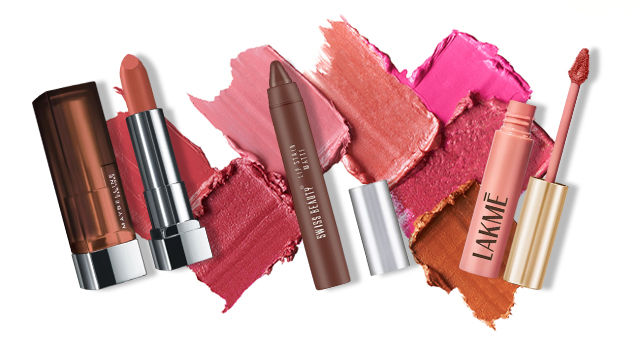
- ultra matte liquid lipsticks become patchy faster
That’s why some formulas continue looking wearable while others become dry quickly.
Products and textures that help matte lipstick wear better
| Product / Texture | What It Usually Helps With |
|---|---|
| Soft matte formulas | Less visible cracking |
| Lightweight lip balm | Smoother touch-ups |
| Tissue blotting | Removes excess buildup |
| Thin lipstick layers | Prevents heaviness |
| Mousse textures | Easier reapplication |
Usually flexibility matters more than extremely long wear.
Weather changes matte lipstick more than people realize
Dry weather especially affects how lipstick wears.
| Condition | What Usually Happens |
|---|---|
| Dry weather | Cracking becomes more visible |
| Humid weather | Lipstick stays softer longer |
| Winter | Lips become flaky faster |
| AC environments | Matte formulas feel tighter |
Sometimes the lipstick formula itself hasn’t changed your lips simply became drier during the day.
Adding more product repeatedly usually makes patchiness worse
This happens very often.
Once matte lipstick begins cracking, layering more directly over the top usually:
- emphasizes texture
- creates thicker buildup
- makes fading more obvious
Usually a cleaner approach works better:
- blot lightly
- smooth texture
- reapply only where necessary
That tends to look more natural for longer.
Matte lipstick looks best when it still feels flexible
That’s usually the real goal.
- No thick dry buildup
- No dark cracking near the center
- Lips still feel comfortable after several hours
- Touch-ups blend naturally instead of sitting heavily
When the formula and application both work well, matte lipstick becomes much easier to wear through the day.
Frequently Asked Questions
-
How do I reapply matte lipstick without making it patchy?
Blot away excess texture first, then apply thin layers only where the color has faded.
-
Why does matte lipstick crack after touch-ups?
Usually because too much product builds up over dry or uneven areas.
-
Should I use lip balm before reapplying matte lipstick?
Yes, but only a very small amount so the lipstick can still set properly.
-
Why does matte lipstick look heavy later in the day?
Repeated layering and dry lips usually make matte formulas look thicker over time.
-
Which matte lipstick textures are easiest to touch up?
Soft matte and mousse-style formulas usually reapply more smoothly than ultra matte liquid lipsticks.
-
Can dry lips make matte lipstick patchy?
Yes. Matte lipstick clings much more strongly to flaky or dehydrated areas.
-
Is it better to fully remove lipstick before reapplying?
Not always. Usually smoothing and lightly touching up faded sections works better than starting over completely.
-
Why does the center of matte lipstick disappear first?
That area moves the most while talking, eating, and drinking, so fading happens faster there.