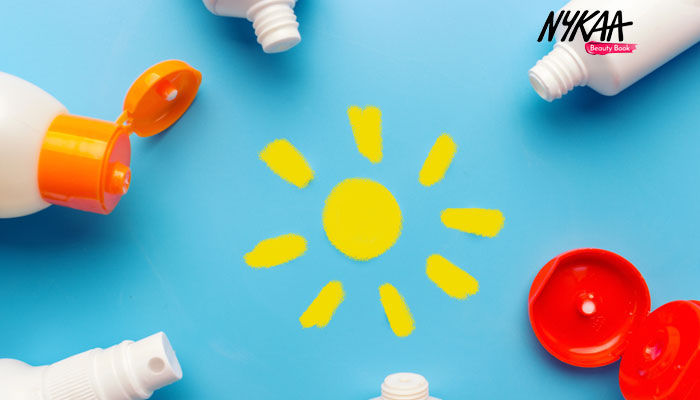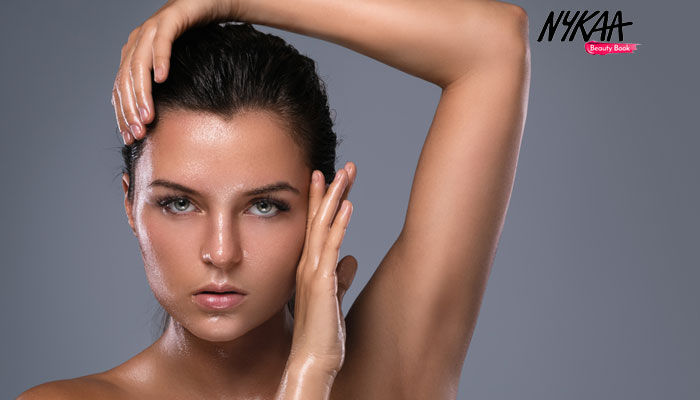
Finding a sunscreen that works for oily skin can feel weirdly difficult.
Some sunscreens feel fine for the first hour, then suddenly your face looks shiny again by midday. Others feel greasy immediately, even before you step outside. And once sunscreen starts feeling heavy, it's hard to keep using it consistently every day.
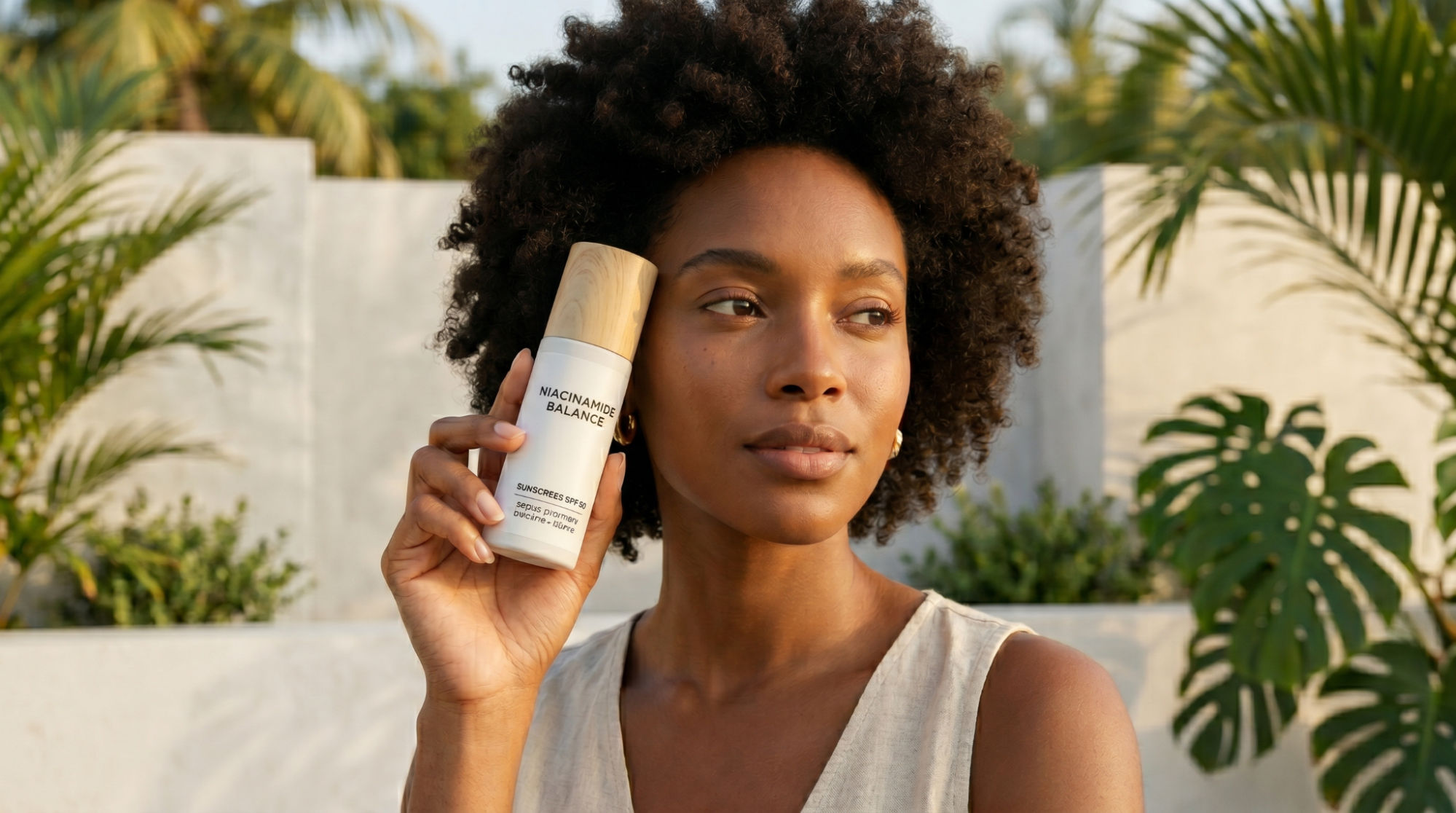
That's probably why niacinamide sunscreens became so popular for oily skin.
They promise sun protection and oil control at the same time, which honestly sounds ideal when your skin already feels greasy in heat and humidity.
And to be fair, they can help.
Just not in the dramatic "completely matte all day" way people sometimes expect.
Niacinamide Doesn't Remove Oil; It Helps Skin Feel More Balanced
This is probably the biggest misunderstanding around niacinamide skincare.
A niacinamide sunscreen for oily skin will not stop your skin from producing oil completely. Skin naturally produces oil, especially during:
- Hot weather
- Humidity
- Stress
- Long days outdoors
What niacinamide usually does is help skin feel more balanced gradually over time.
People often notice:
- Shine looks softer instead of extremely greasy
- Oil feels easier to manage through the day
- Skin appears less overloaded
- Makeup sits slightly better
The difference is usually subtle, but consistent.
Sunscreen Texture Matters More Than People Expect
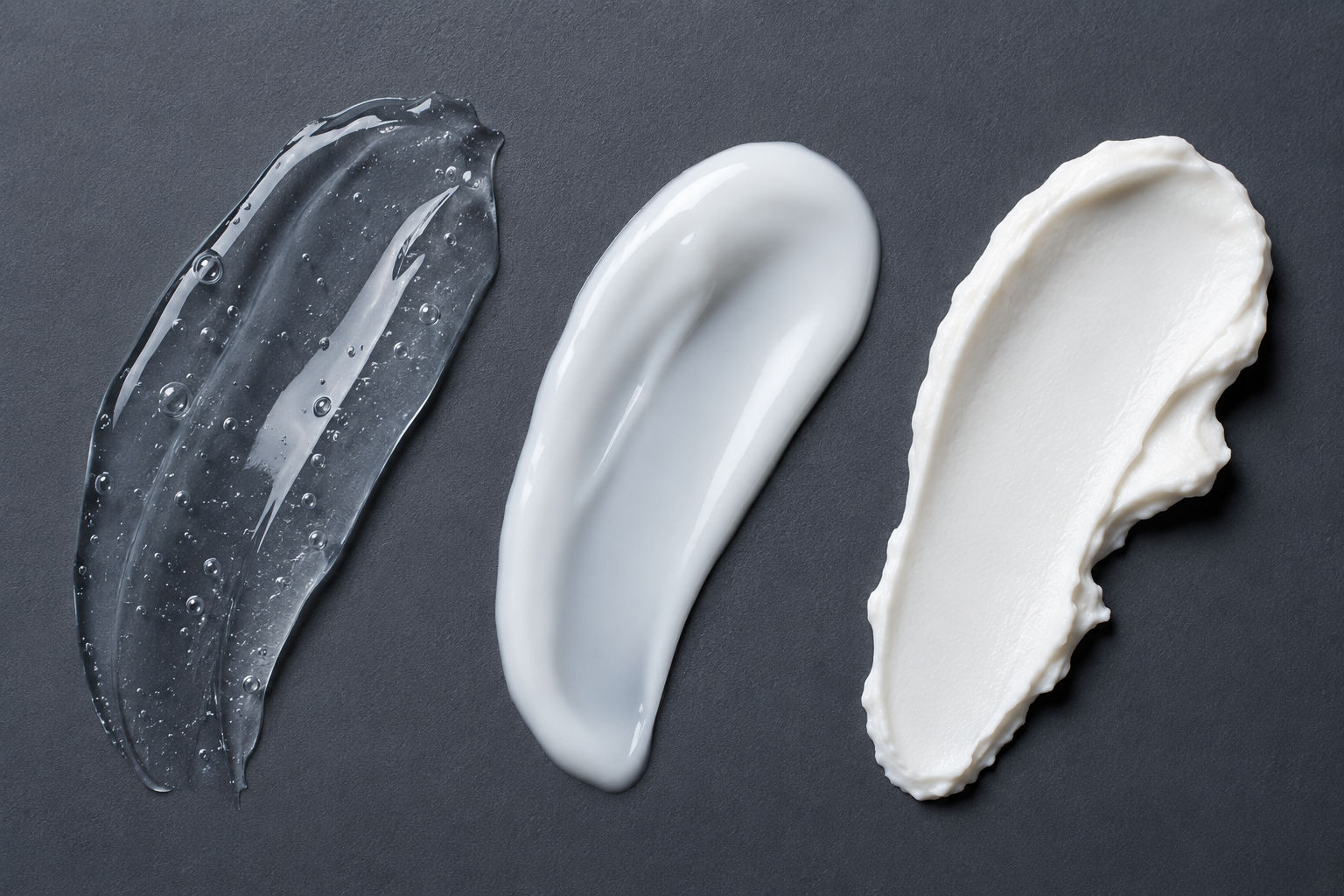
Honestly, this is sometimes more important than the niacinamide itself.
A sunscreen can contain excellent ingredients, but if the texture feels:
- Thick
- Sticky
- Slow to absorb
- Heavy under humidity
it will probably still feel uncomfortable on oily skin.
That's why lightweight textures tend to work better for oily skin types.
Usually, oily skin prefers:
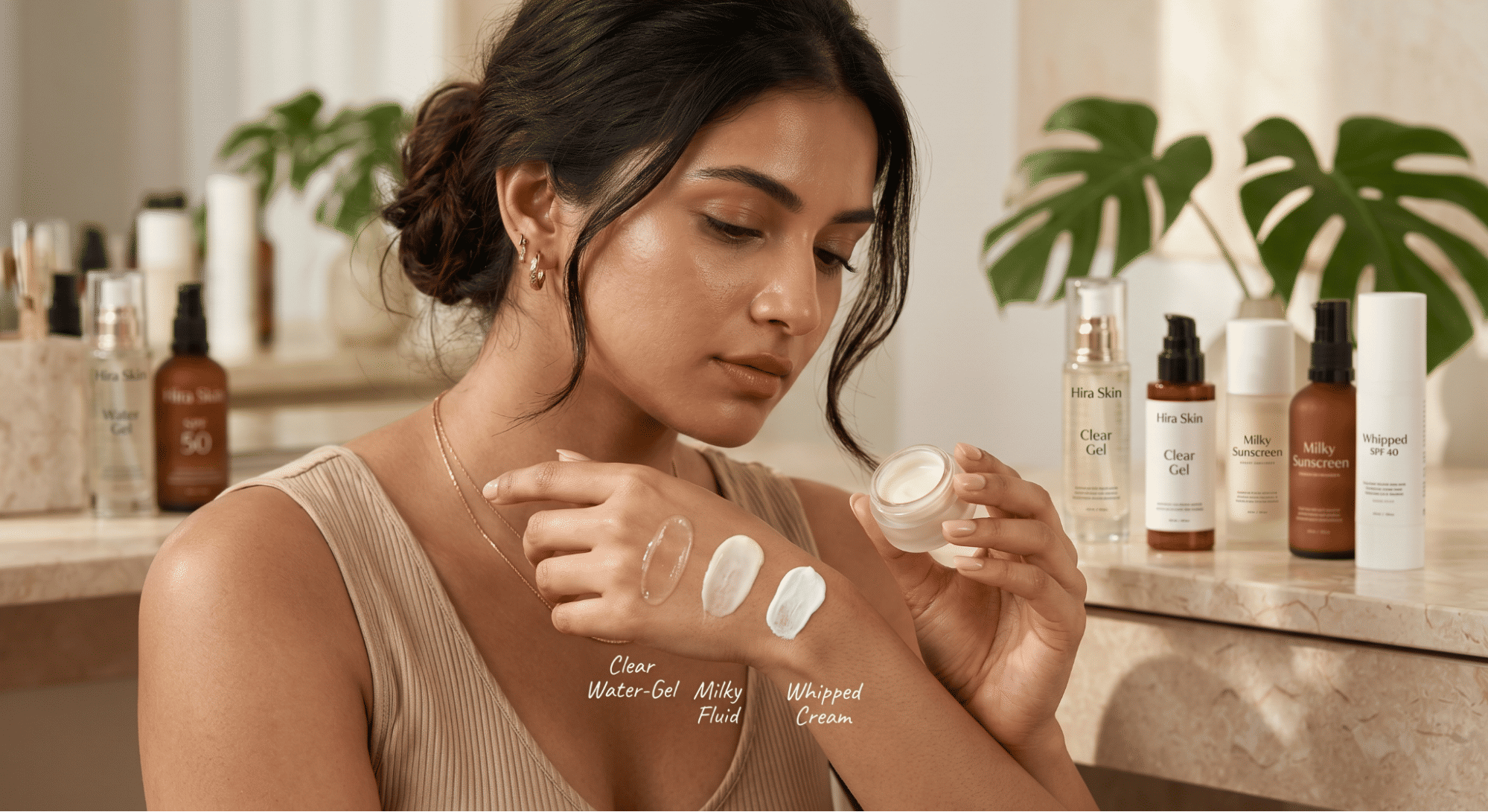
- Gel sunscreens
- Fluid textures
- Lightweight lotions
- Fast-absorbing finishes
The finish of a sunscreen often decides whether you'll actually enjoy wearing it daily.
Some Sunscreens Feel Greasy Because They Sit on Top of the Skin
This is where that uncomfortable oily feeling usually comes from.
When sunscreen doesn't absorb properly, it tends to:
- Mix with natural oil production
- Feel heavier throughout the day
- Make skin look shinier faster
Especially in humid climates, rich formulas can quickly start feeling uncomfortable even if the sunscreen itself is technically good.
That's why oily skin often responds better to lightweight, breathable textures rather than rich creams.
Niacinamide Usually Works Quietly in the Background
One thing people notice with niacinamide is that the results aren't immediate.
You probably won't apply the sunscreen once and suddenly look matte for 12 hours.
Instead, after consistent use, skin may gradually start feeling:
- Less greasy by midday
- More balanced overall
- Slightly calmer
- Less shiny under heat and humidity
It's not dramatic skincare. More like gradual oil management support.
Ingredients That Usually Feel Comfortable for Oily Skin
Many sunscreens designed for oily skin combine niacinamide with lightweight balancing ingredients.
| Ingredient | What It Usually Helps With |
|---|---|
| Niacinamide | Oil balance |
| Zinc | Shine control support |
| Hyaluronic Acid | Lightweight hydration |
| Silica | Soft matte finish |
| Green Tea | Soothing support |
Usually, the best oily-skin sunscreens focus on balancing comfort rather than aggressively drying the skin out.
Weather Changes How Sunscreen Feels More Than People Realise
This is honestly one of the biggest factors.
The exact same sunscreen can feel:
- Perfect during winter
- Extremely greasy during humid summer
Usually:
| Weather Condition | What Often Feels Better |
|---|---|
| Humid weather | Gel or fluid sunscreen |
| Dry heat | Lightweight lotion textures |
| Winter | Slightly richer formulas |
| Air-conditioned environments | Balanced hydration |
So if a sunscreen suddenly feels wrong, sometimes the weather changed more than your skin did.
Your Routine Underneath the Sunscreen Matters Too
A lot of people blame sunscreen immediately when the actual issue is layering too much underneath it.
For oily skin, this combination can start feeling heavy quickly:
- Rich moisturiser
- Multiple serums
- Thick sunscreen
By the time everything layers together, the skin feels overloaded.
That's why many oily skin routines work better with:
- Lightweight hydration
- Fewer layers
- Faster-absorbing products
Sometimes simplifying the routine makes sunscreen feel completely different.
Matte Skin Isn't Really the Goal
This part matters because a lot of oily skin advice focuses too much on removing all shine completely.
But healthy skin naturally has some glow and oil production.
Usually, the real goal is:
- Comfortable skin
- Less excess shine
- Lightweight daily wear
- Sunscreen that doesn't feel suffocating
And honestly, when sunscreen feels comfortable, daily consistency becomes much easier too.
When a Sunscreen Works Well for Oily Skin, You Stop Thinking About It
That's usually the biggest sign.
Your sunscreen:
- Absorbs comfortably
- Doesn't become greasy too quickly
- Feels manageable through the day
- Layers well with the rest of your skincare
Not perfectly matte. Just balanced enough that your skin feels easy to live with.
And honestly, for oily skin, that's usually what matters most long term.
Frequently Asked Questions
-
Does niacinamide sunscreen help oily skin?
Yes. Niacinamide can help oily skin feel more balanced and reduce the appearance of excess shine over time.
-
Will niacinamide sunscreen completely stop oil production?
No. Skin naturally produces oil, but niacinamide may help reduce how greasy skin feels during the day.
-
What sunscreen texture works best for oily skin?
Gel, fluid and lightweight lotion textures usually feel most comfortable for oily skin types.
-
Can oily skin skip sunscreen?
No. Daily sunscreen is still important, even for oily or acne-prone skin.
-
Why does sunscreen feel greasy on oily skin?
Usually because the formula is too heavy for the climate or because too many skincare layers are used underneath.