TL;DR – Key Takeaways
- Oily skin still needs a moisturizer in summer. Skipping it triggers more sebum.
- Gel-based, water-based, and oil-free formulas are the gold standard for hot, humid weather.
- Look for niacinamide (oil regulation), ceramides (barrier repair), and hyaluronic acid (water-based hydration).
- Non-comedogenic = won't clog pores. This label is non-negotiable for oily skin.
- Apply twice daily: once in the morning before SPF, once at night after your serum.
- Budget-friendly options perform just as well as luxury picks when the ingredient list is right.
Should You Really Use a Moisturizer If You Have Oily Skin in Summer?
Direct Answer (50 words): Yes, absolutely. Oily skin still needs hydration. When you skip moisturizer, your skin detects surface dryness and signals sebaceous glands to produce even more oil to compensate. A lightweight, non-comedogenic, water-based formula keeps that feedback loop in check, reduces breakouts, and supports your skin barrier through summer heat.
Here is what most people get wrong: they confuse oil with hydration. They are two different things. Oil is lipid-based, produced by your sebaceous glands. Hydration is water content held within your skin cells. You can have an oily face and still be dehydrated underneath, and that combination makes breakouts and sensitivity worse.
This means using the right moisturizer in summer is not about adding grease. It is about replenishing water, calming the barrier, and stopping your skin from going into oil-production overdrive.
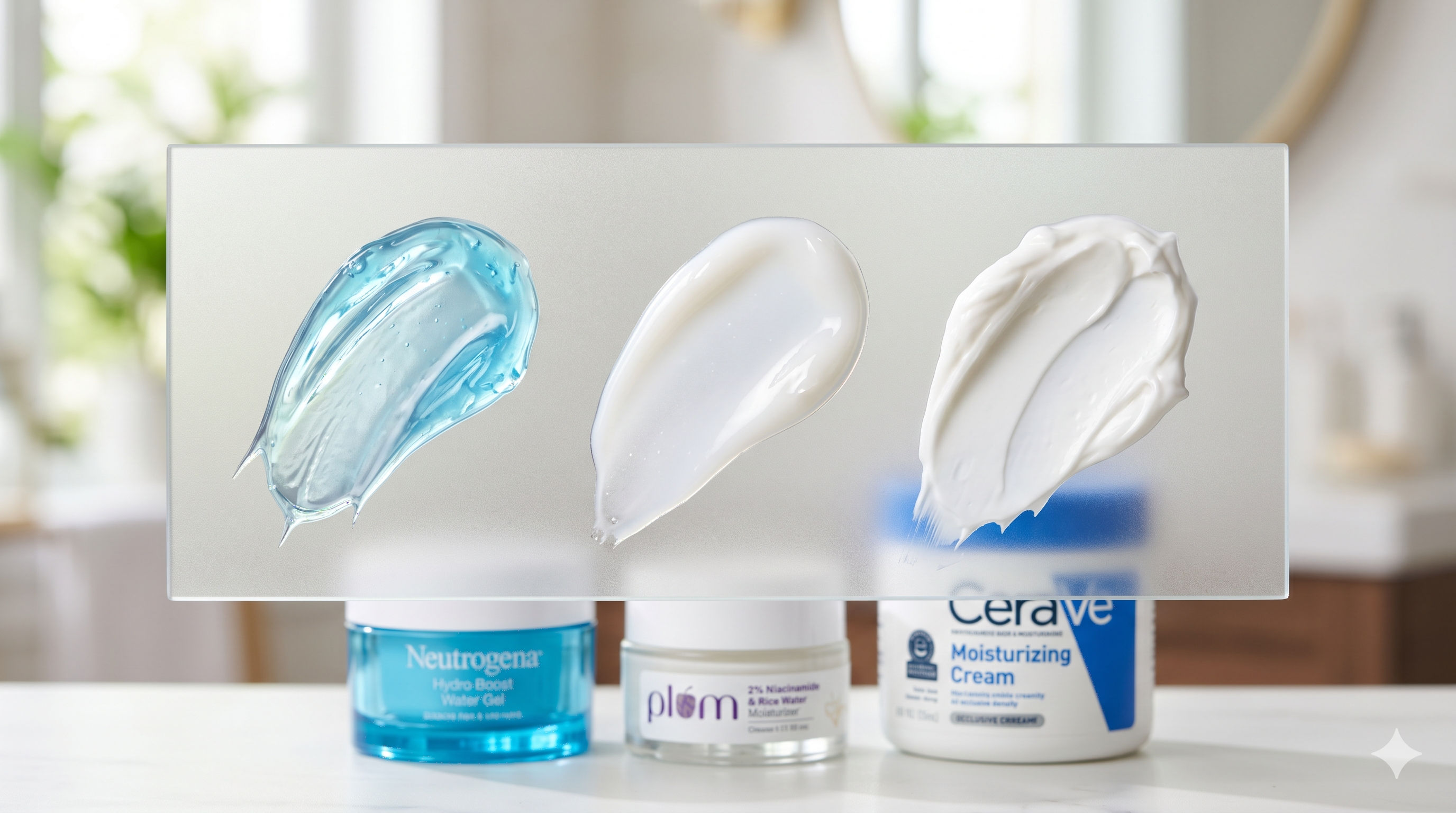
Gel-Based vs. Cream-Based Moisturizers for Oily Skin: Which Wins in Summer?
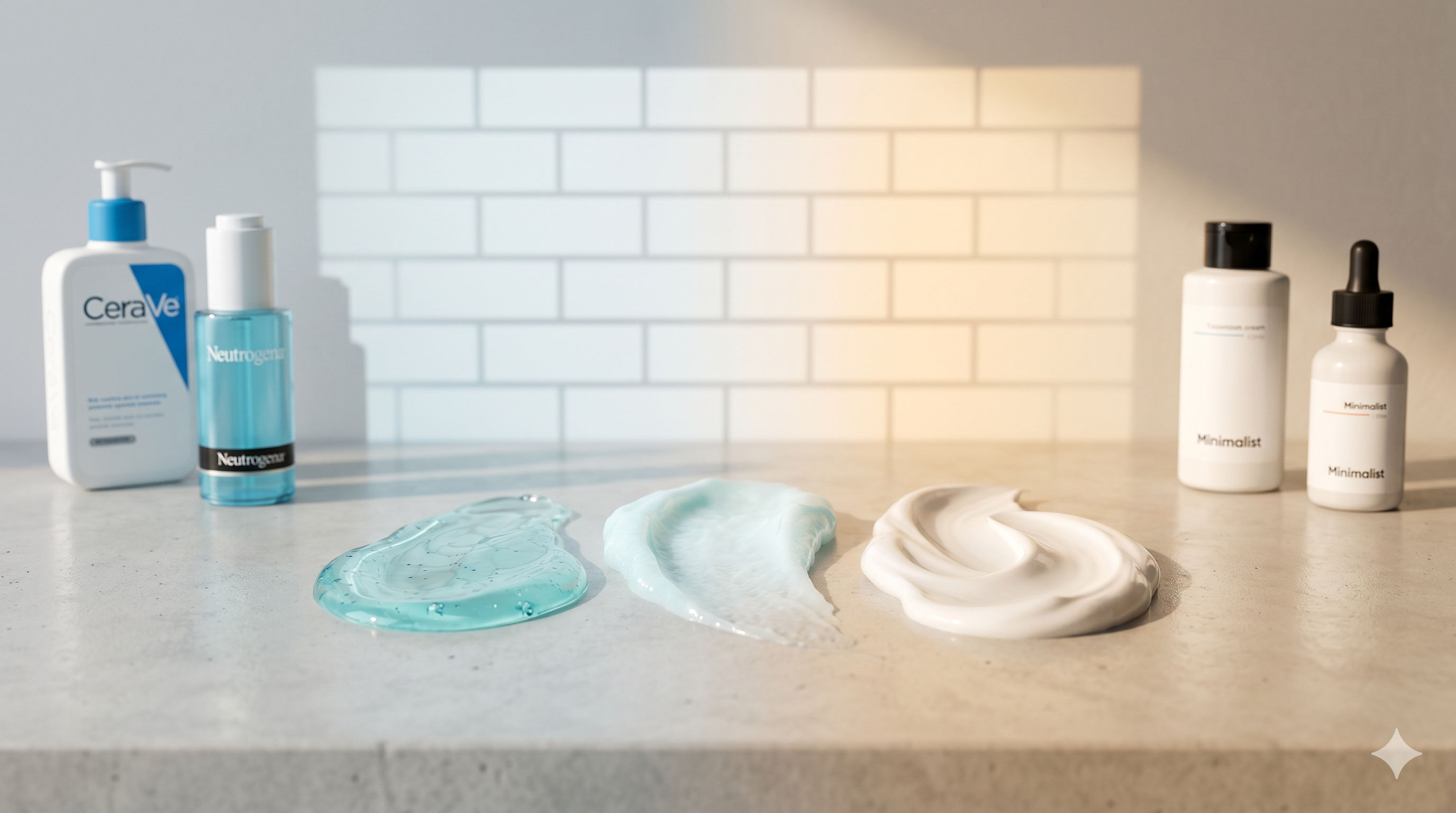
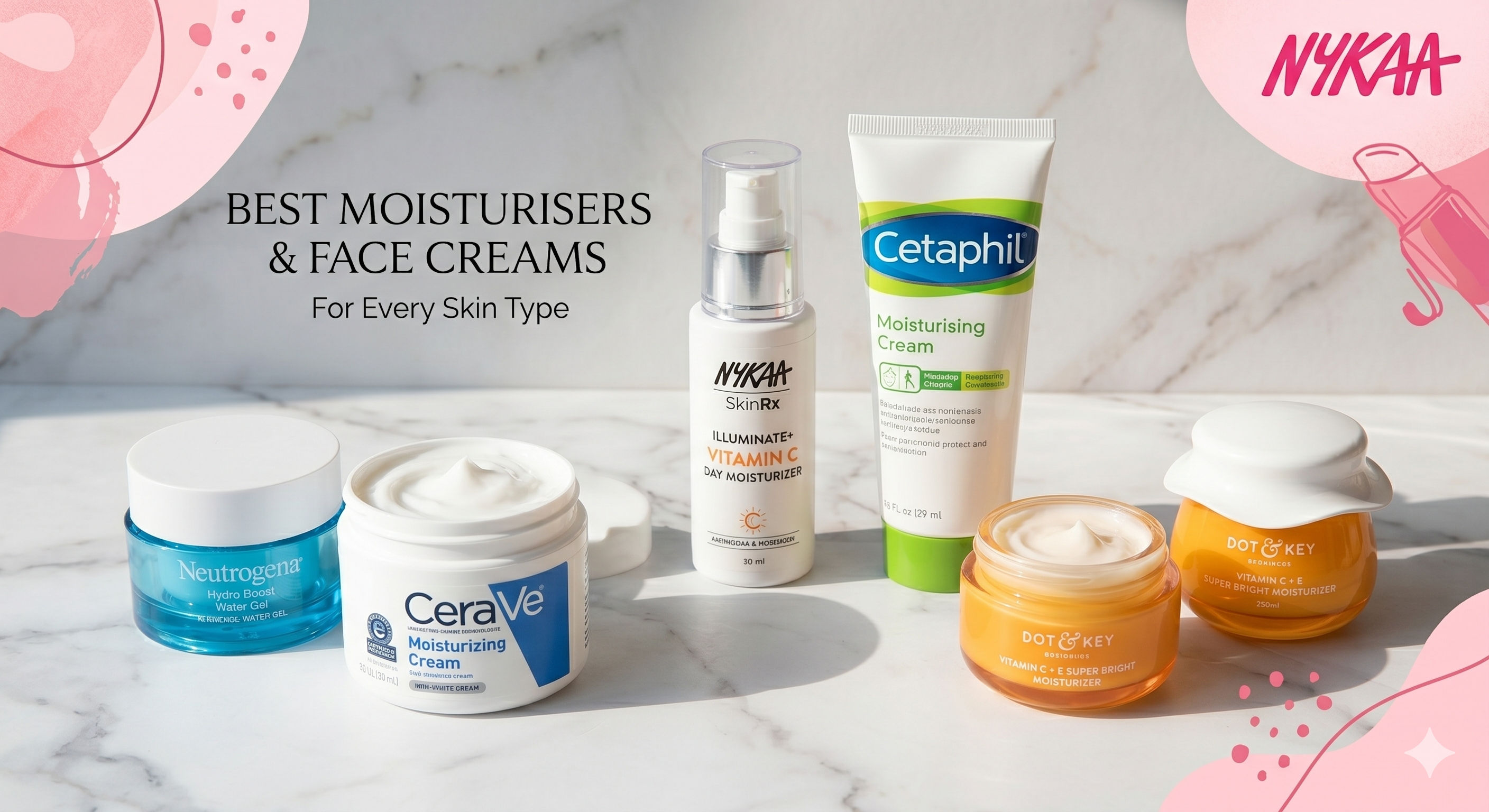
| Attribute | Gel-Based (e.g., Neutrogena Hydro Boost) | Cream-Based (e.g., CeraVe Moisturizing Cream) |
|---|---|---|
| Texture | Lightweight, water-like, fast-absorbing | Rich, thicker, takes longer to absorb |
| Key Actives | Hyaluronic Acid, Glycerin, Niacinamide | Ceramides, Fatty Acids, Petrolatum |
| Best For | Oily skin, summer, humid climates | Dry skin, winter, barrier repair |
| Pore Safety | Non-comedogenic, sits on skin lightly | Can feel occlusive; check labels carefully |
| Price Range | Rs. 400–Rs. 1,800 | Rs. 600–Rs. 2,500 |
| Summer Verdict | First choice for oily skin | Best reserved for nighttime or dry patches |
For oily skin in summer, gel-based formulas win every time. Unlike traditional cream moisturizers, they deliver water-binding humectants without the heavy emollients that sit on top of already-active sebaceous glands.
The Science of Niacinamide and Ceramides: What They Actually Do for Oily, Barrier-Compromised Skin
Direct Answer (50 words): Niacinamide regulates sebum production and reduces visible pores. Ceramides are lipid molecules that form the "mortar" of your skin barrier, preventing water loss. Together, they address the two core problems of oily summer skin: excess oil on the surface and invisible dehydration underneath. Both are well-tolerated by sensitive skin.
Niacinamide: The Oil-Control Active
Niacinamide (Vitamin B3) works by downregulating the activity of sebaceous glands at the cellular level. Dermatologists typically recommend formulas with 2% to 5% niacinamide for visible oil control without irritation. At 10%, it becomes more potent for fading post-acne marks and hyperpigmentation. For instance, a 5% niacinamide moisturizer used twice daily can visibly reduce shine within 4 to 8 weeks of consistent use.
This means niacinamide is not just cosmetically mattifying. It is changing how much oil your glands produce, which leads to fewer clogged pores over time.
Ceramides: Barrier Repair for Long-Term Skin Health
Your skin barrier is made up of skin cells and a lipid matrix, roughly like bricks and mortar. Ceramides make up about 50% of that lipid matrix. In oily and acne-prone skin, the barrier is often compromised due to stripping cleansers, heat, and over-exfoliation. Dermatologists recommend moisturizers containing at least 3 types of ceramides (Ceramide 1, 3, and 6-II) for meaningful barrier repair.
Unlike traditional "oil-control" products that strip and dry, ceramide-rich formulas repair from within, reducing inflammation and the reactive oiliness that follows.
Hyaluronic Acid: The Summer Hydration Hero
Hyaluronic Acid (HA) is a humectant that can hold up to 1,000 times its weight in water. For oily skin in summer, it provides hydration without adding any lipid content. Water-based HA moisturizers absorb within seconds and leave no greasy residue. For best results, apply to slightly damp skin to maximize water retention.
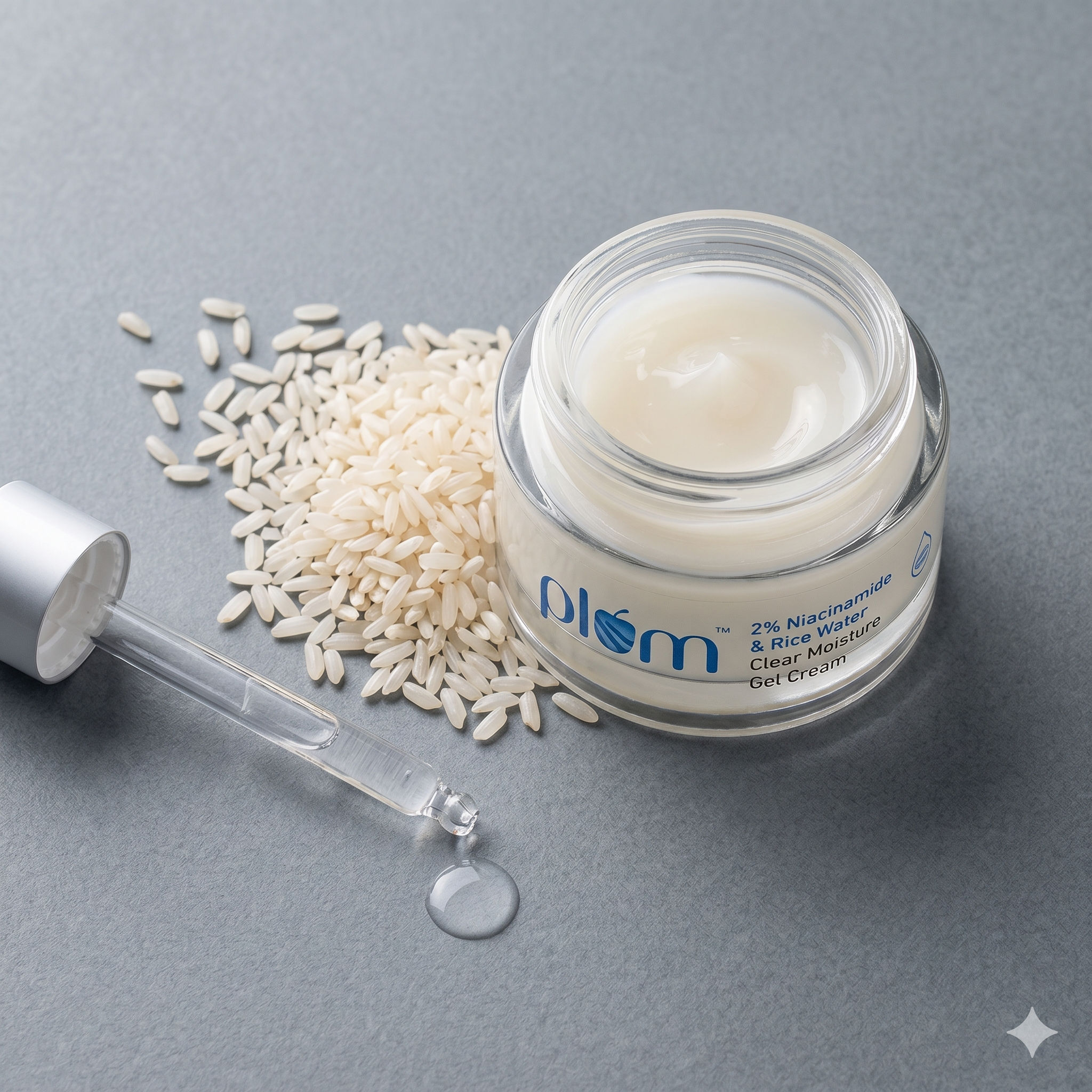
Product Recommendation:
Personalized Moisturizer Recommendations for Summer 2026
Direct Answer (50 words): The right summer moisturizer for oily skin depends on your climate, skin goal, and budget. Humid climates need ultra-light gel formulas. Drier heat calls for slightly more barrier support. Glow-focused routines benefit from niacinamide. Repairing post-acne skin needs ceramides. All budgets have strong options, from Rs. 300 to Rs. 2,000.
By Climate
If you live in high humidity (Mumbai, Chennai, Kolkata): Go for the lightest possible water gel. Look for labels like "oil-free," "matte finish," and "non-comedogenic." Avoid formulas with dimethicone as the first silicone ingredient, as it can trap sweat and oil against the skin in extreme humidity.
If you live in dry heat (Delhi, Jaipur, Ahmedabad): oily skin can actually become dehydrated faster because the air pulls moisture out. Here, a gel-cream with both hyaluronic acid and a small amount of glycerin gives the right balance without heaviness.
By Skin Goal
| Skin Goal | Key Ingredient to Look For | Format |
|---|---|---|
| Control shine and pores | Niacinamide 5%, Zinc PCA | Gel or serum-moisturizer |
| Fade acne marks + glow | Vitamin C (stable form) + Niacinamide | Lightweight lotion |
| Repair barrier after breakouts | Ceramides 1, 3, 6-II | Gel-cream |
| Deep hydration, no shine | Hyaluronic Acid (multi-weight) | Water gel |
By Budget
Under Rs. 500: Pond's Super Light Gel with Hyaluronic Acid and Glycerin delivers solid hydration without greasiness and is widely available.
Rs. 500 to Rs. 1,200: Look for niacinamide or ceramide-based formulas from brands like CeraVe, Minimalist, or Dot and Key. These hit the sweet spot of science-backed ingredients at accessible prices.
Rs. 1,200 and above: Neutrogena Hydro Boost Water Gel, La Roche-Posay Effaclar Mat, and Paula's Choice oil-free options offer premium textures and long-wear hydration without compromising pore clarity.
Most content tells you what to use. This section tells you how to use it, because application technique changes results.
Step 1 – first, always. Use a gentle foaming or salicylic acid cleanser to remove sweat, sunscreen, and excess sebum. Avoid cleansing more than twice daily; over-washing strips the barrier and triggers rebound oiliness.
Step 2 – to damp, not dripping, skin. Pat your face lightly and leave it slightly moist. This gives hyaluronic acid and glycerin something to grab onto, locking in more water.
Step 3 – Use a pea-sized amount. More product does not mean more hydration for oily skin. A thin, even layer is enough and reduces the chance of pilling or excess shine.
Step 4 – Wait 60 seconds before SPF. Give your moisturizer time to absorb before layering sunscreen on top. This prevents them mixing on the surface and reduces the greasy finish.
Step 5 – Repeat at night after your serum. Nighttime is when your skin repairs itself. Applying moisturizer after your treatment serum seals in actives and supports overnight barrier restoration.
FAQ: People Also Ask About Moisturizers for Oily Skin in Summer
-
Should I use a moisturizer every day in summer if I have oily skin?
Yes. Daily moisturizing is non-negotiable even for oily skin. Skipping it causes surface dehydration, which triggers your sebaceous glands to overproduce oil, leading to more shine, clogged pores, and breakouts, not less.
-
What is a non-comedogenic moisturizer?
Non-comedogenic means the formula has been tested and confirmed not to clog pores. It is the single most important label to look for on any moisturizer if you have oily or acne-prone skin.
-
Does gel moisturizer actually hydrate as well as cream?
Yes, for oily skin in summer. Gel formulas use humectants like hyaluronic acid and glycerin that draw water into the skin effectively. They do not provide the same occlusive sealing as heavy creams, but oily skin does not need that layer.
-
Can niacinamide make oily skin worse?
No. Niacinamide at 2% to 10% concentration is well-tolerated and has a documented effect of reducing sebum output over time. A small number of people experience mild flushing at concentrations above 10%. Start at 5% if you are new to the ingredient.
-
Is it okay to use the same moisturizer in summer and winter if I have oily skin?
Yes, if it suits your skin. Dermatologists suggest that keeping your routine simple improves consistency, which matters more than seasonal swapping. However, if you find your skin getting drier in winter, switching to a slightly richer gel-cream at night is a reasonable adjustment.