TL;DR: Key Takeaways
- The best moisturiser for Indian skin in 2026 balances humidity tolerance with active-ingredient efficacy.
- Ceramide-based formulas (minimum 2%) are the #1 dermatologist recommendation for barrier repair.
- Budget picks under ₹500 can match premium options if they contain Niacinamide (5%) or Hyaluronic Acid (1–2%).
- Gel-based moisturisers outperform creams in coastal/humid Indian cities like Mumbai and Chennai.
- The global moisturiser market is projected to reach USD 18.9 billion by 2026, driven by "skin longevity" trends.
- Rice Water and Exosome technology are the two fastest-growing active categories in Indian dermatology clinics.
What Is the Best Moisturiser for Indian Skin in 2026?
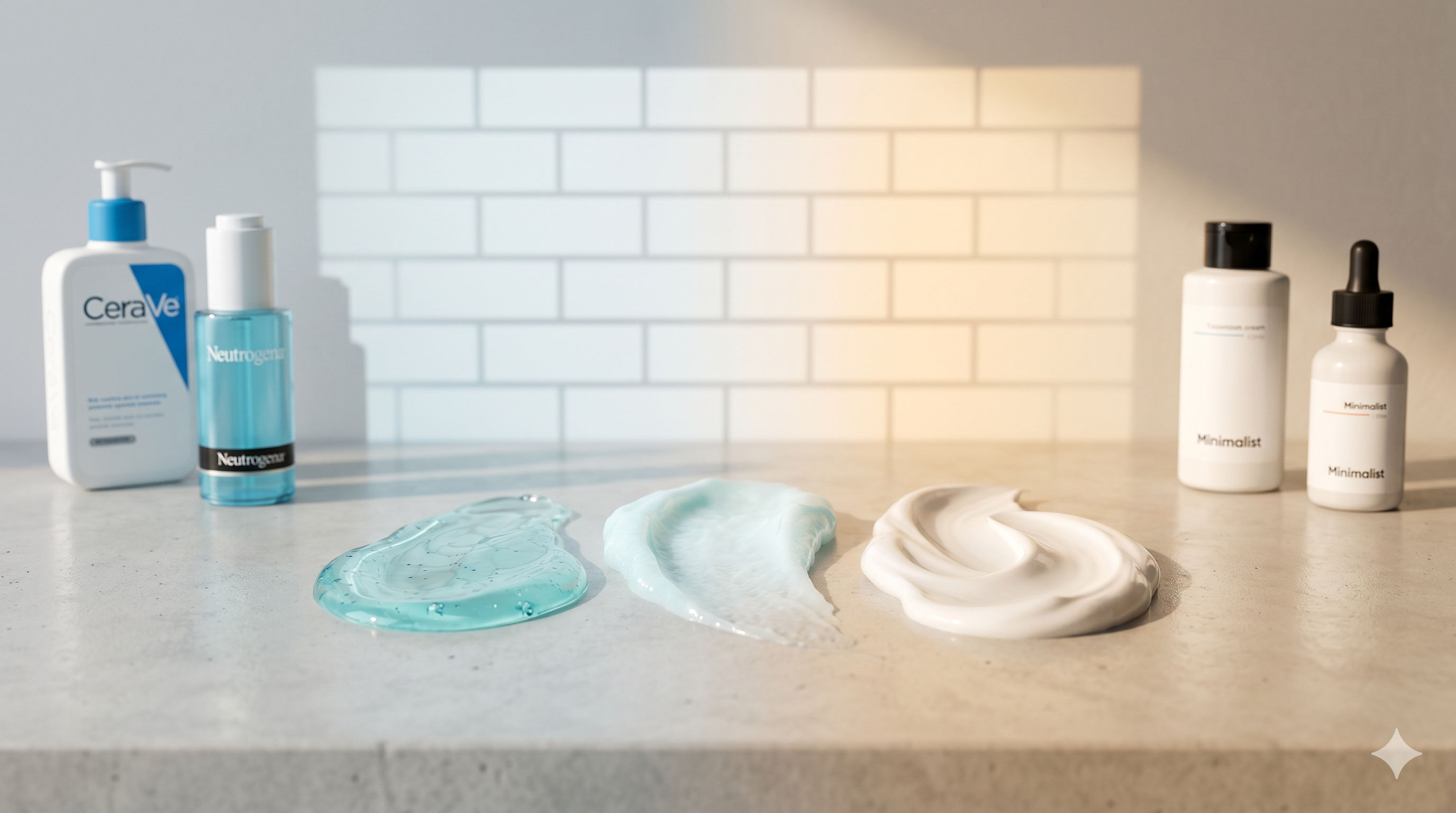
Direct Answer Block: The best gel moisturizer for oily, acne-prone skin is one that is water-based, non-comedogenic, and contains actives like Niacinamide or Centella Asiatica. It should provide hydration without adding any oil or occlusive heaviness. This combination balances sebum control with skin barrier support, the two pillars of breakout management.Direct Answer Block: The best moisturiser for Indian skin in 2026 is one that addresses heat, humidity, and hyperpigmentation together. Dermatologists consistently recommend formulas with 2% Ceramides, 5% Niacinamide, and either Hyaluronic Acid or Rice Water. Lightweight, non-comedogenic textures work best across most Indian climate zones year-round.
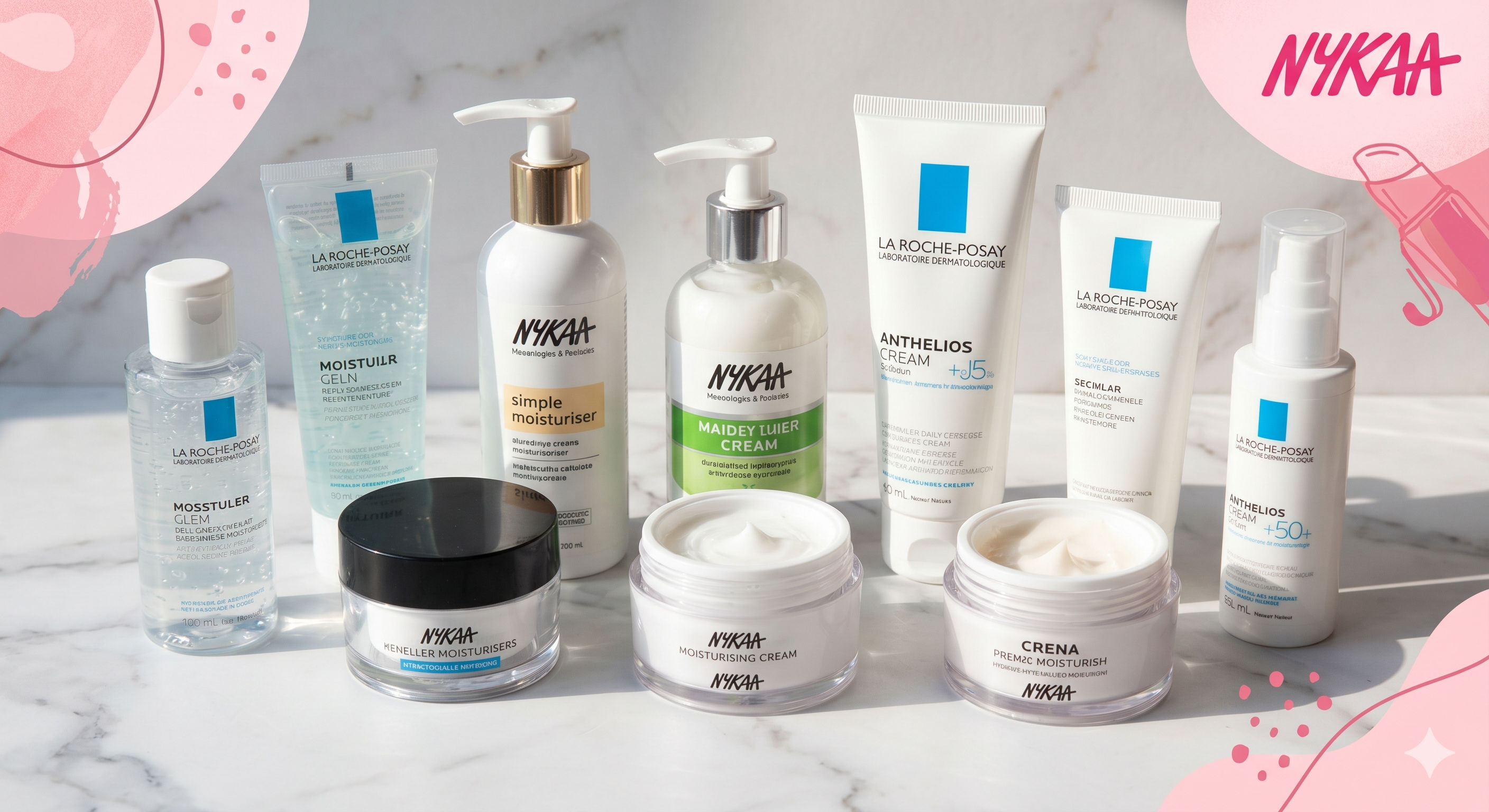
Moisturiser Comparison: Top Picks at a Glance
| Product | Texture | Key Actives | Price (INR) |
|---|---|---|---|
| Minimalist 10% Niacinamide + Zinc | Gel-fluid | Niacinamide 10%, Zinc 1% | ₹599 |
| Dot & Key Barrier Repair Moisturiser | Cream | Ceramides, Peptides | ₹895 |
| Plum Green Tea Mattifying Moisturiser | Gel | Green Tea, Niacinamide 1% | ₹395 |
| Cetaphil Moisturising Cream | Thick Cream | Panthenol, Glycerin | ₹499 |
| Lakme 9-to-5 Vitamin C+ Moisturiser | Lightweight Lotion | Vitamin C, SPF 20 | ₹349 |
| Simple Kind to Skin Moisturiser | Gel-Cream | Allantoin, Pro-Vitamin B5 | ₹450 |
| The Derma Co 1% Hyaluronic Acid Moisturiser | Gel | Hyaluronic Acid 1%, Ceramides | ₹749 |
| WOW Skin Science Rice Water Moisturiser | Lotion | Rice Water, Niacinamide | ₹499 |
| Mamaearth Skin Illuminate Moisturiser | Cream | Vitamin C, Turmeric | ₹349 |
| Neutrogena Hydro Boost Water Gel | Water Gel | Hyaluronic Acid | ₹799 |
Product Recommendation:
The Science of Ceramides and Rice Water for Indian Skin
Direct Answer Block: Ceramides are lipid molecules that make up roughly 50% of the skin barrier. When this barrier is compromised, skin loses moisture up to 75 times faster. Rice Water, rich in Inositol and amino acids, has been shown in cosmetic dermatology studies to penetrate damaged skin faster than synthetic humectants, making it uniquely suited for Indian skin exposed to pollution and UV stress.
How Ceramides Rebuild Your Skin Barrier
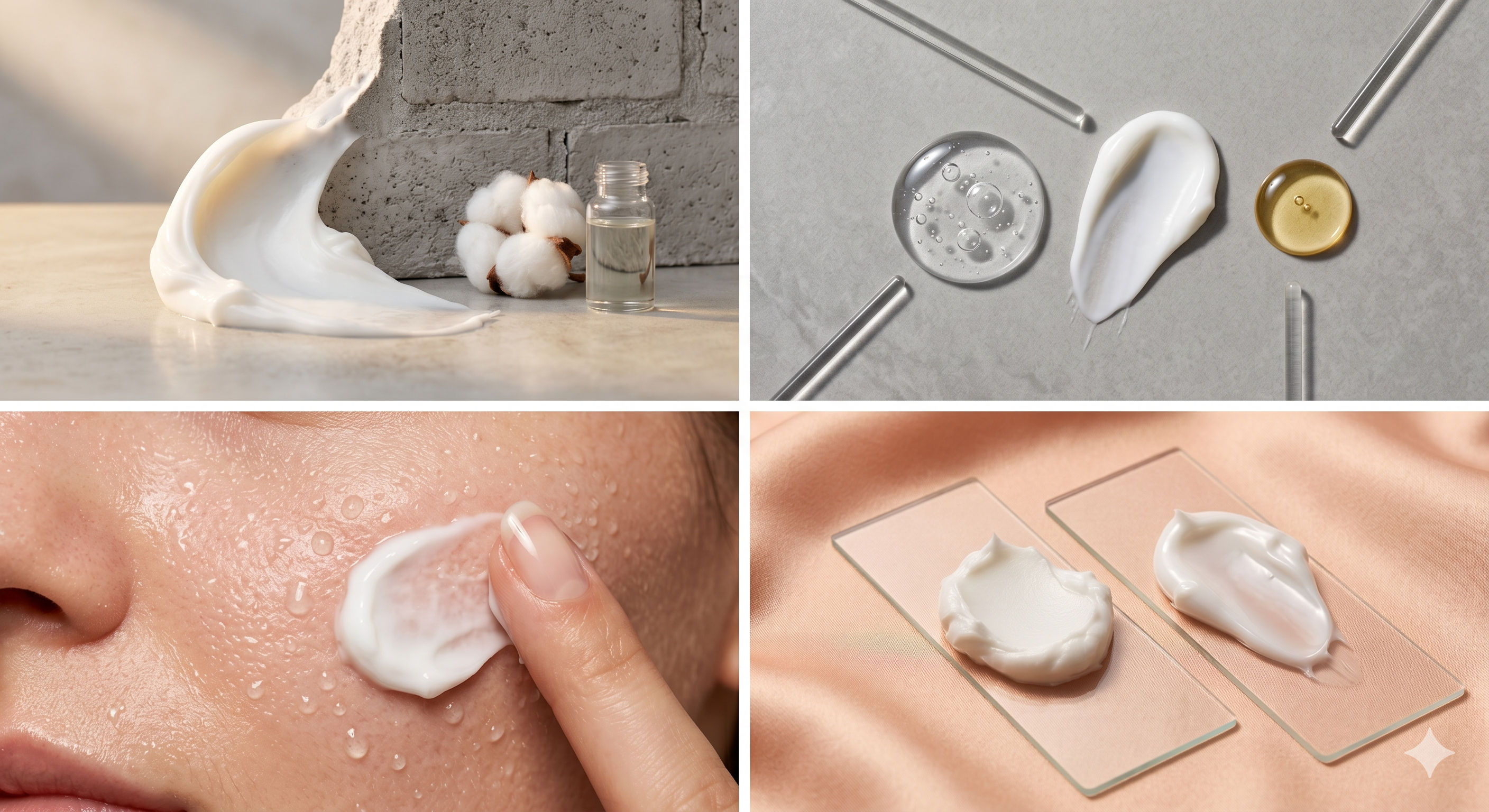
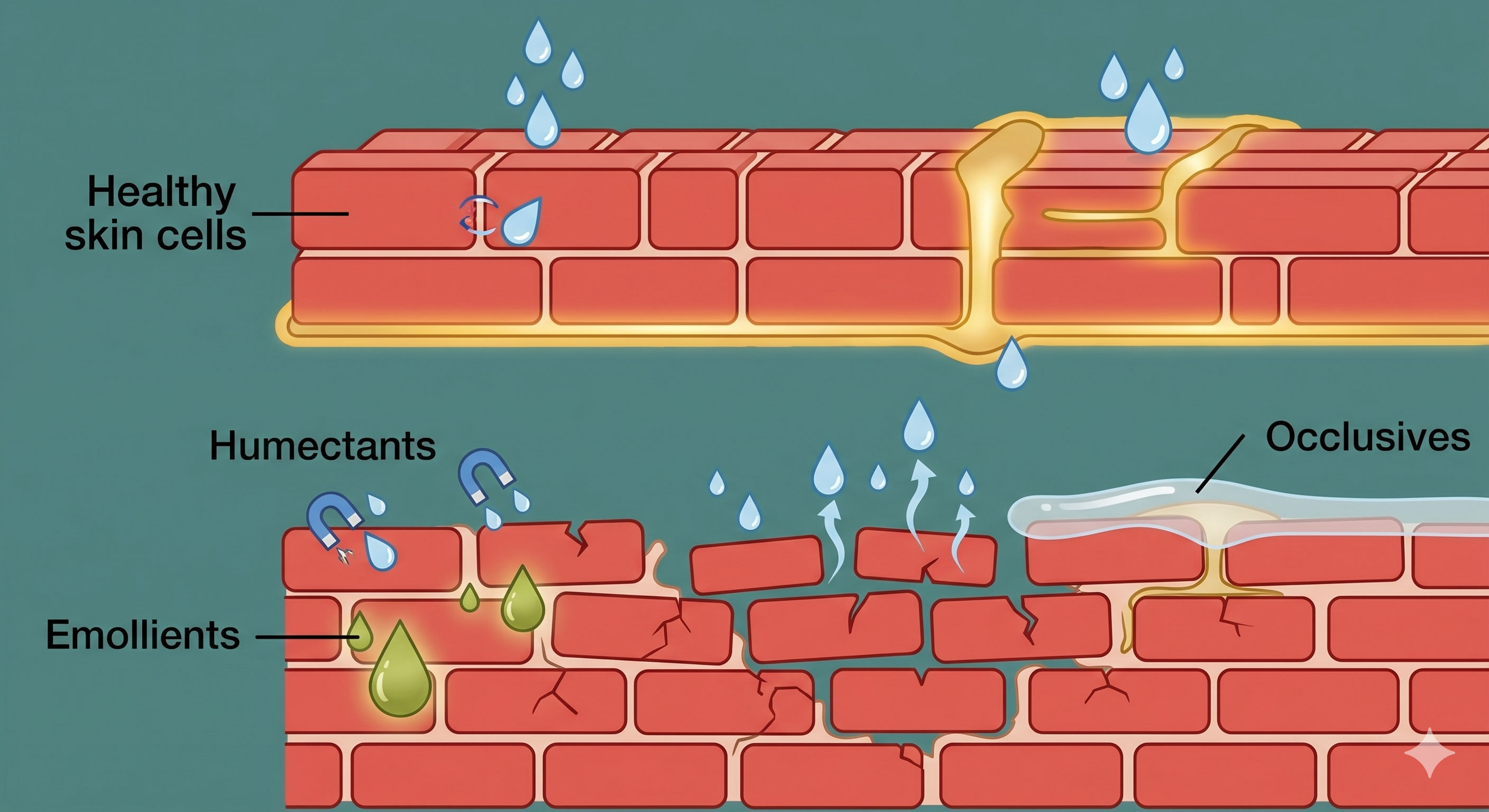
The skin barrier works like a brick-and-mortar wall. Skin cells are the bricks; ceramides are the mortar. When pollution, hard water, or over-cleansing strip ceramides away, the barrier develops micro-gaps. This means moisture escapes, irritants enter, and skin becomes reactive.
Dermatologists recommend a minimum of 2% Ceramides in a moisturiser to produce a measurable improvement in transepidermal water loss (TEWL) within 14 days. For instance, studies show that twice-daily application of a Ceramide-dominant moisturiser reduces TEWL by up to 38% compared to a plain emollient.
Unlike traditional heavy creams, modern Ceramide formulas are engineered to be lightweight and absorb within 60 seconds, making them practical for India's warm climate.
What Rice Water Actually Does to Skin Cells
Rice Water contains Inositol, a carbohydrate that studies suggest can repair damaged hair and skin cells from the inside out. It also carries ferulic acid, a natural antioxidant that reduces UV-induced oxidative stress.
This means Rice Water moisturisers are not just hydrators. They function as mild brighteners and barrier-fortifiers simultaneously, which is why they are gaining traction in Tier 2 and Tier 3 Indian cities where access to multi-step routines is limited but skin goals remain high.
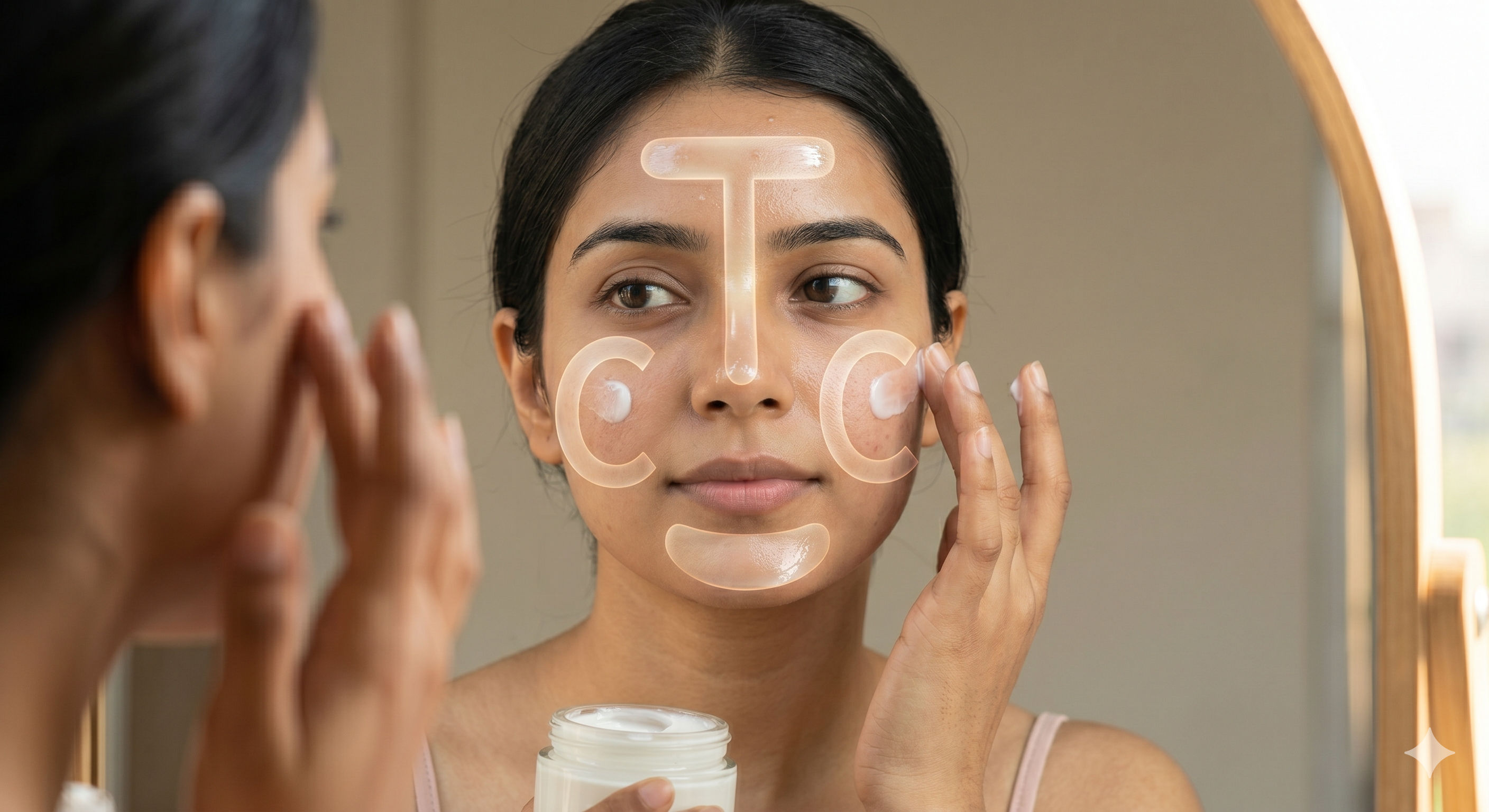
Personalised Moisturiser Recommendations for 2026
Direct Answer Block: Choosing a moisturiser in India depends on three factors: your city's humidity level, your primary skin goal, and your monthly budget. A person in Delhi with dry skin and a focus on anti-ageing needs a completely different formula than someone in Bangalore with oily skin chasing a glass-skin glow.
By Climate: Humid vs. Dry Cities
Humid cities (Mumbai, Chennai, Kolkata): Choose water-gel or gel textures with Niacinamide and Hyaluronic Acid. Avoid occlusive ingredients like shea butter or mineral oil as primary bases.
Dry/cold cities (Delhi in winter, Shimla, Pune in peak winter): Reach for cream-based formulas with Ceramides, Glycerin, and Panthenol. Applying a moisturiser within 60 seconds of washing your face locks in 2x more hydration.
By Skin Goal
| Goal | Key Ingredient to Look For | Texture Recommendation |
|---|---|---|
| Glow and Brightness | Vitamin C (10–15%), Niacinamide (5%) | Lightweight lotion |
| Barrier Repair | Ceramides (2%+), Peptides | Cream |
| Anti-Ageing / Longevity | Retinol (0.025–0.1%), Exosomes | Rich gel-cream |
| Acne-Prone / Oily | Zinc, Niacinamide, Salicylic Acid | Oil-free gel |
| Hyperpigmentation | Alpha Arbutin (2%), Kojic Acid | Serum-cream hybrid |
By Budget
Under ₹400: Green Tea Moisturiser, Mamaearth Vitamin C Moisturiser, Lakme 9-to-5 Moisturiser. These deliver solid baseline hydration and one active ingredient each.
₹400 to ₹800: Minimalist Niacinamide Moisturiser, The Derma Co Hyaluronic Acid Gel, WOW Rice Water Moisturiser. This range offers the best active-ingredient density per rupee.
₹800 and above: & Key Barrier Repair, Neutrogena Hydro Boost. Premium options excel in texture engineering and multi-active formulations suitable for sensitive or mature skin.
FAQ: People Also Ask About Moisturisers in India
-
Is it necessary to use a moisturiser if my skin is oily?
Yes. Oily skin still needs hydration. Skipping moisturiser signals the skin to produce more sebum, worsening oiliness over time. Choose an oil-free, non-comedogenic gel moisturiser with Niacinamide to regulate both moisture and oil production simultaneously.
-
What is the difference between a moisturiser and a hydrator?
A hydrator draws water into the skin using humectants like Hyaluronic Acid or Glycerin. A moisturiser creates a barrier on top to prevent that water from evaporating. For instance, most modern formulas combine both functions, but purely "hydrating" products lack the occlusive layer needed for lasting moisture in dry climates.
-
Can I use the same moisturiser in summer and winter in India?
No, ideally not. In summer and monsoon months, a gel-based formula with SPF is sufficient for most Indian skin types. In winter, the same skin often needs a ceramide-rich cream to compensate for TEWL increase caused by dry air and indoor heating.
-
Are natural or Ayurvedic moisturisers as effective as clinical formulas?
Yes and no. Natural ingredients like Turmeric, Neem, and Kumkumadi oil have documented anti-inflammatory and brightening properties. However, clinical-grade formulas carry standardised active concentrations (e.g., exactly 2% Ceramides) that ensure predictable, measurable results. Ayurvedic formulas work well for maintenance; clinical formulas are better for correction.
-
How long does it take for a new moisturiser to show visible results?
Most dermatologists agree on a 28-day minimum test period, which aligns with the skin's natural cell turnover cycle. For barrier repair products, noticeable improvements in texture and dryness typically appear within 14 days of consistent twice-daily use.